
Israeli Politicians Split Over Emerging U.S.-Iran Deal
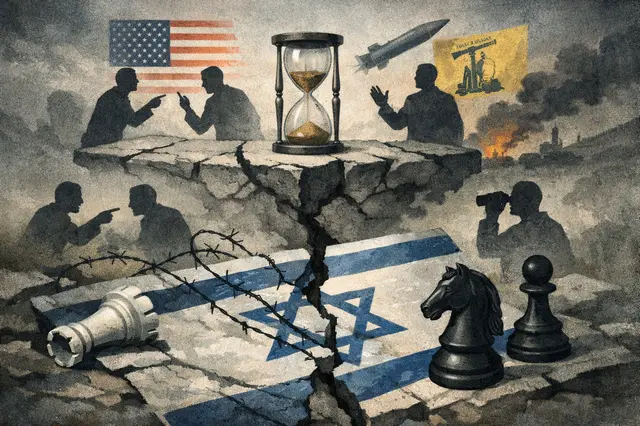
תגובות חריפות ומפוצלות נשמעות בישראל לקראת ההסכם המתגבש בין ארצות הברית לאיראן, שאמור להיחתם כבר היום, Sunday. Opposition leaders blamed Prime Minister Benjamin Netanyahu for a strategic failure, while some coalition lawmakers defended him or attacked the deal's implications. Netanyahu himself has not issued a formal response directly addressing the agreement's details.
Opposition leader Yair Lapid said the deal does not serve any of the war’s goals because the regime remains in place and can rebuild its nuclear program. He called it “a complete failure” by Netanyahu, saying he is turning Israel into “a protectorate state,” and added that the next government will have a “historic role” in repairing the damage. National Unity leader and former defense minister Benny Gantz said the situation feels less like a military failure and more like a “strategic miss,” arguing that Israel did not fully leverage major gains in Lebanon, Iran, and the link between the two. He warned the agreement, in his view, blocks many things and guarantees nothing on either the nuclear issue or regional stability.
Finance Minister Bezalel Smotrich did not address the deal directly, but demanded immediate action against Hezbollah, saying, “The only way, for every shot at our territory ten buildings in the Dahiyeh should fall, tonight.” Likud MK Hanoch Milwidsky praised Netanyahu for standing up to U.S. pressure, contrasting him with U.S. presidents Barack Obama and Joe Biden, and said it was frightening to imagine Israel led by someone from the left. Labor lawmaker Efrat Raiten responded that 2,000 people have been killed, 250 hostages remain, parts of the country are abandoned, and Iran’s regime and nuclear program have not been destroyed. Yisrael Beiteinu chairman Avigdor Liberman called the deal “a complete victory for the ayatollahs” and placed “100% responsibility” on Netanyahu.
In the coalition, Likud’s Avichai Boaron backed Netanyahu and urged Israel not to withdraw from Lebanon despite the expected confrontation, warning against allowing Hezbollah to renew attacks on Israeli communities. Netanyahu had written on Friday, “As long as I am Prime Minister of Israel, Iran will not have nuclear weapons,” and said he and President Donald Trump were fully aligned on the issue. Gadi Eisenkot, Naftali Bennett, Itamar Ben Gvir, and Yair Golan had not responded directly as of publication. Security experts quoted by Channel 12 warned that the emerging deal endangers Israel’s deepest security interests, saying Iran accepted the framework because it helps revive the regime, that uranium removal was replaced by vague dilution language, and that Iran’s missile program is not included at all.
The same event, reported separately by each outlet. Open a few to compare what different newsrooms emphasize — and what they leave out.




Not the same event — other stories that share this one’s people, places, or theme: background, reactions, and follow-ups.



