Five Standout Israeli Rosé Wines, From Jerusalem Hills to the Negev

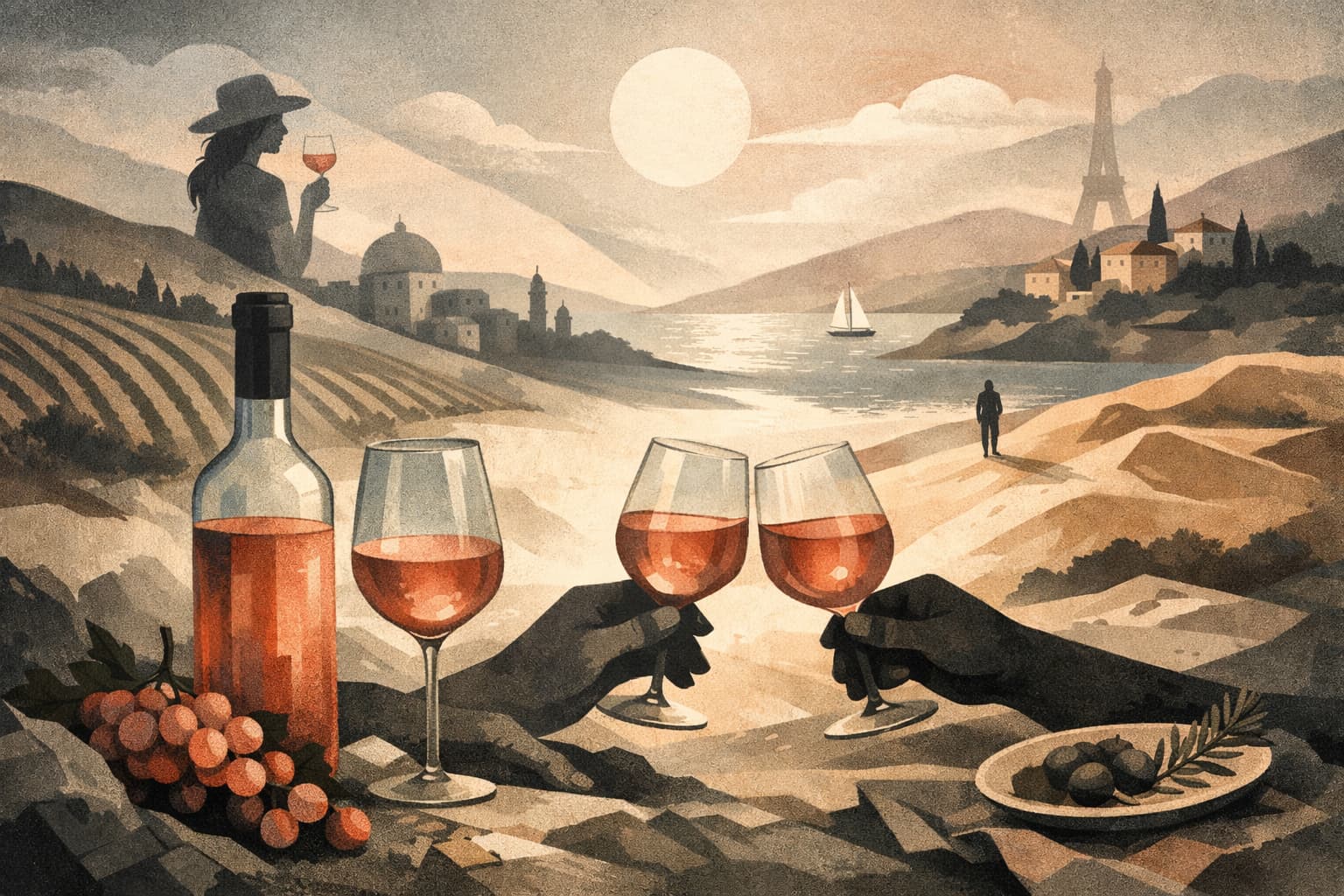
Rosé is presented here as the ideal wine for Israel, where warm weather lasts most of the year and chilled, refreshing wines pair easily with local food. The article argues that rosé is often unfairly dismissed as neither red nor white, when in fact it combines traits of both, with flavors that can range from strawberry and pink grapefruit to mineral notes and floral aromas. It also notes that rosé is usually made by limiting skin contact with dark grapes to a few hours or, at most, a day, which gives it its pale color and different aromatic profile from red wine.
The writer says Provence remains the best-known rosé region, though excellent examples also come from Navarra, southern Italy and Greece. In Israel, many wineries now produce high-quality rosés, making it hard to choose just five, so the list is framed as a guide rather than a ranking.
The five selections begin with Reziel Rosé 2025 from Raziel, made by Eli Ben Zaken from Syrah, Grenache and Mourvèdre and aged eight months in large barrels, priced at 125 shekels. The article also praises Raziel’s sparkling rosé and the older Castel rosé. Tepperberg’s Essence Rosé 2025 is highlighted next, at 80 shekels, as proof that a large historic winery can still surprise under winemaker Shiki Rauchberger, Daniel Friedenberg and Abrami Burstein.
Vitkin’s Israeli Journey Pink 2025, at 89 shekels, is described as a particularly interesting blend of Grenache, Syrah, Carignan and Tempranillo, created by winemaker Assaf Paz, a pioneer in using Mediterranean varieties suited to Israel’s climate. Agur’s Rosé 2025, at 100 shekels, comes from Grenache, Cabernet Franc, Mourvèdre and Marselan and is praised for its body, acidity, citrus peel and rose petal aromas. Pinto’s Southern Rosé 2025, at 95 shekels, is made in the Negev by the Pinto brothers and winemaker Jacob Oryah from Grenache and Petit Syrah, and is singled out as a deeper, fuller, more unusual rosé.

