Danny Adino Abeba on Ethiopian Aliyah, Sudan’s Trauma, and Israel’s Tribal Barriers

Danny Adino Abeba, head of the publicity division at Israel’s Ministry of Aliyah and Integration, told Channel 7’s podcast that warnings about a supposed wave of negative emigration from Israel are meant to scare people. He said the opposite is happening, with many Jews from France, London and the United States choosing to move to Israel even during wartime, motivated not only by fear or antisemitism but by identification with the country and a sense that Israel is their home.
Abeba contrasted that modern aliyah with his own childhood in Ethiopia. He grew up in a remote village, worked as a shepherd from age nine, and said that life there shaped his values and his early longing for Jerusalem. He arrived in Israel in 1987, and although the real Jerusalem differed from the dream he had carried, he said his bond with the city only deepened over time.
Looking back on some four decades of the Ethiopian community in Israel, Abeba argued that its history has not been told properly. He said the community’s story should be seen as one of strength and achievement in the army, academia and medicine, not only hardship. He also rejected explanations that blame Ethiopian-Israeli youth violence or crime on ethnicity, saying these youths are Israel-born sabras and that the problem reflects wider social failures.
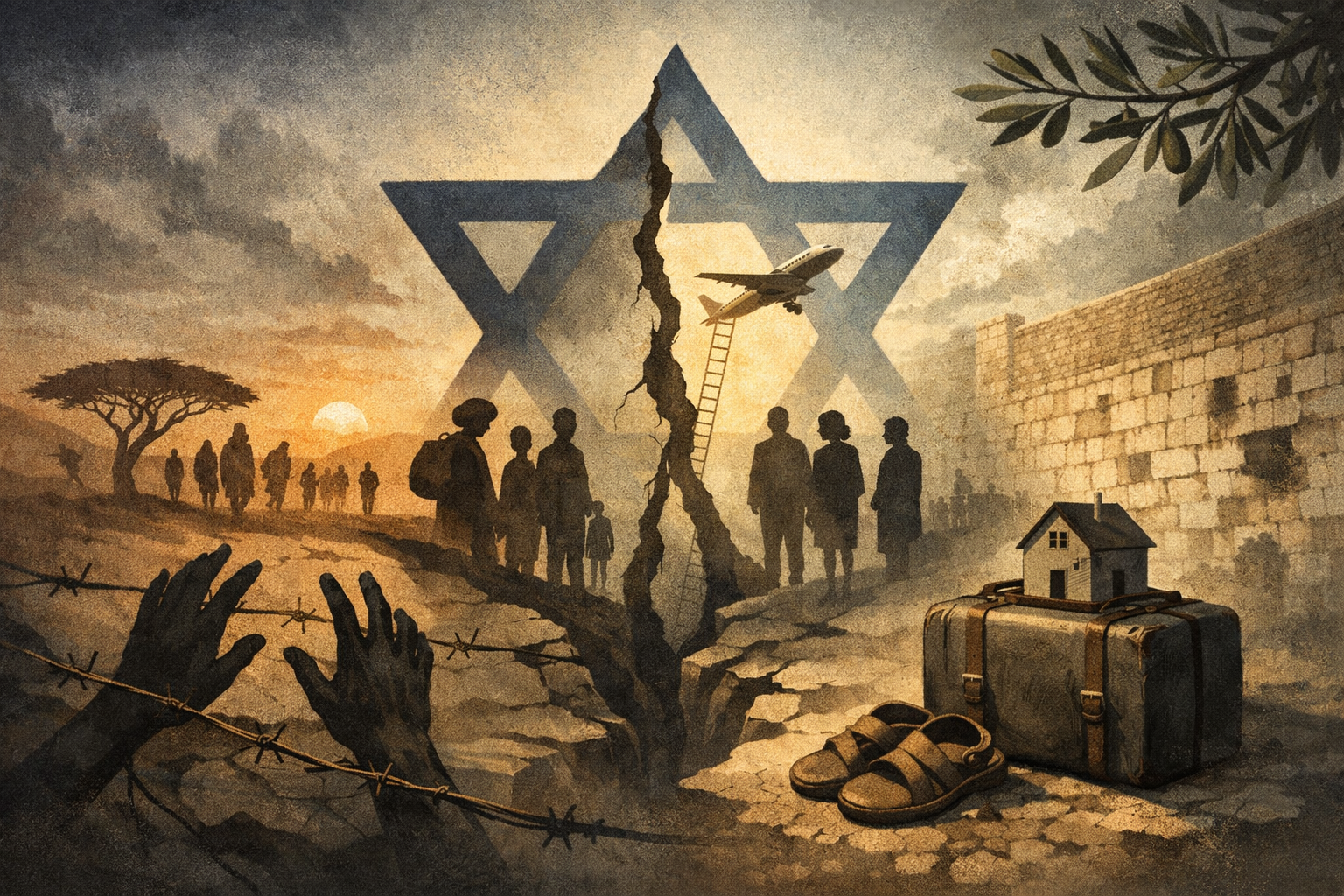
Abeba was especially critical of what he called Israel’s tribal, hierarchical establishment, where groups promote their own people and Ethiopian Israelis with degrees and talent are left out of key posts and salary tracks. He said every immigrant wave faces rejection from earlier residents, but skin color makes the bias more visible. He stressed that he is raising his four children as proud Israelis and called the parents of the Ethiopian aliyah the true heroes, because they walked for more than a month and then spent four years in Sudanese refugee camps where, he said, “death was in the air.” He described Sudan as a lifelong scar for Ethiopian families, claimed people were not allowed to be buried properly there, and blamed a political leak, including from Moshe Dayan, for derailing a secret rescue effort begun in 1979 under Menachem Begin.




