
Israel’s ADHD Medication Use Nearly Doubles as Stimulant Misuse Risks Grow
A new Health Ministry study found that ADHD medication use in Israel rose 98% between 2020 and 2025, meaning the country nearly doubled consumption in just five years. At the same time, the market shifted sharply: methylphenidate drugs such as Ritalin and Concerta fell from about 75% of the market to roughly 33%, while amphetamine-based medications jumped 675% and now account for about 56% of all ADHD drugs in Israel.
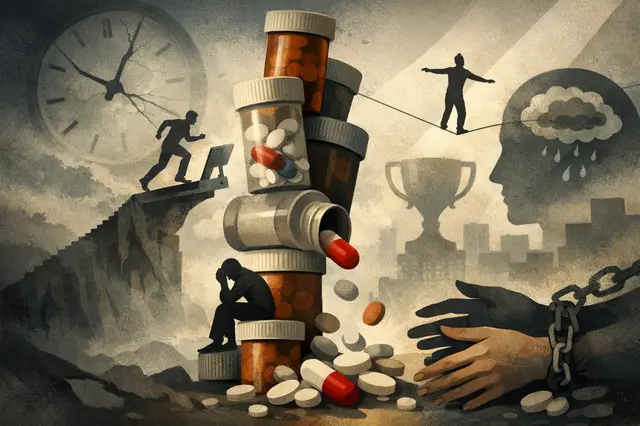
The article says the numbers reflect a broader social change, with more children diagnosed and more adults seeking evaluations than ever before. For many patients, the drugs are life-changing, helping them study, work, and manage daily life better. But the piece warns about a different pattern, when stimulant medication stops being a medical treatment and becomes an emotional fix for fatigue, stress, low motivation, low self-esteem, or the pressure to perform at any cost.
The article stresses that for properly diagnosed patients under medical supervision, stimulant drugs are effective and relatively safe, and most do not become addicted. But it says misuse can begin when a person takes the pills not for ADHD, but to feel stronger, more energetic, or more successful. The effects can extend beyond focus, including increased alertness, reduced tiredness, appetite suppression, improved mood, and in some cases mild euphoria.
It describes a gradual path to dependence, starting with small departures from a doctor’s instructions, such as taking extra doses or using the drug for work, social events, or chores. Warning signs include obsessing over remaining pills, anxiety when a prescription is about to run out, and needing higher doses. The article notes that Adderall has a higher addiction potential, while Ritalin and Concerta are considered intermediate, but any stimulant can become a problem when used nonmedically.
If addiction develops, stopping the medication is only the first step. The piece says withdrawal can bring severe fatigue, low energy, tension, and depression, and that treatment may require nonaddictive medication and alternatives for ADHD. It concludes that recovery depends on identifying the underlying need the drug was filling, such as perfectionism, damaged self-image, impossible expectations, hidden depression, or difficulty coping with negative emotions.





Ask About This Article
Duki reads it, and every newsroom on the same story, then answers with sources.