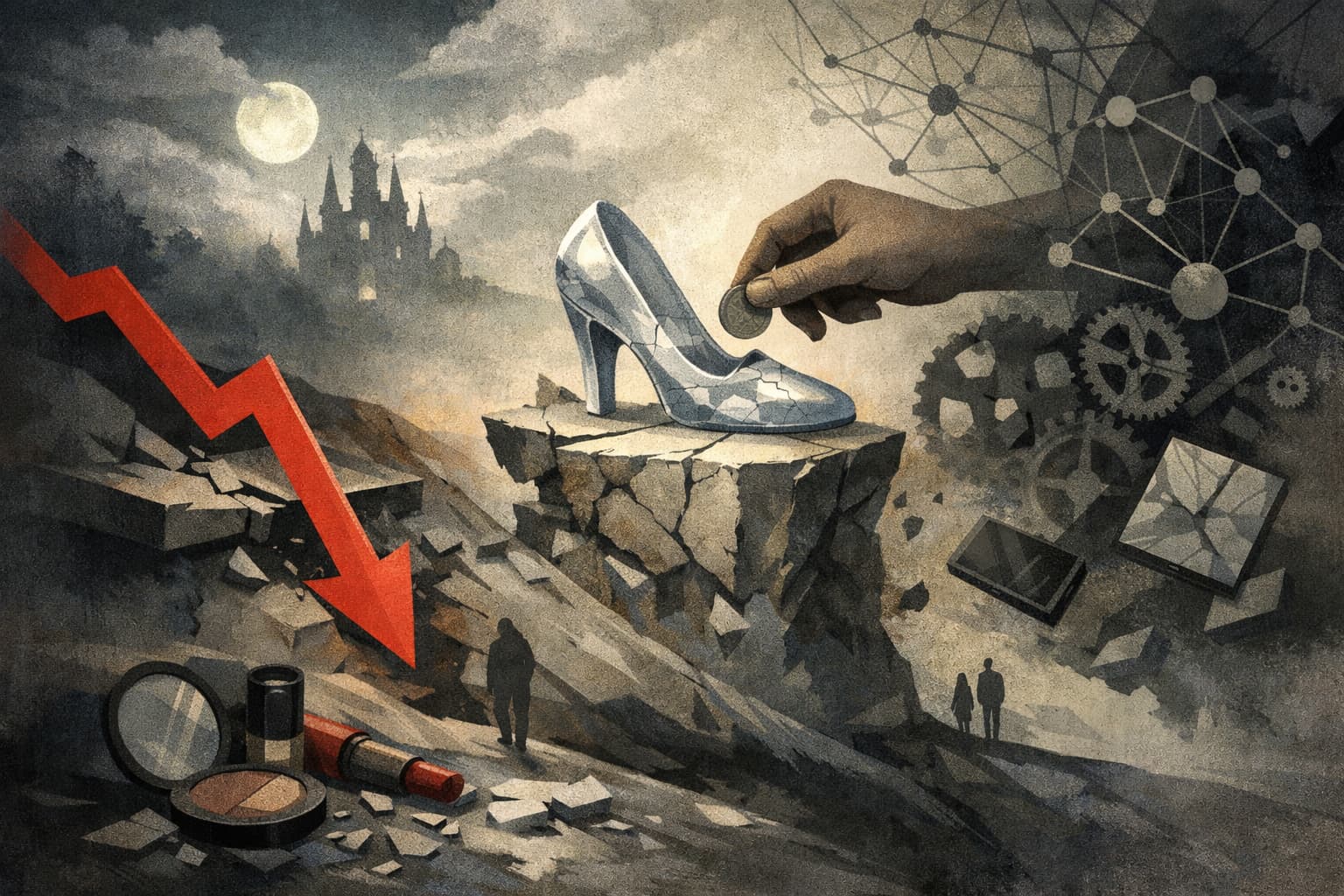
Oddity’s Cinderella Story Runs Into an Algorithm Problem After a Huge Rally

Oren Holtzman was a 29-year-old accountant in 2013 when he bet on the Israeli cosmetics company Il Makiage, then burdened with about 40 million shekels in debt. He borrowed money, mortgaged his apartment, and bought control for 12 million shekels, despite advice against it. Thirteen years later, after shifting the business online, bringing in global partner L Catterton, and taking it public on Nasdaq, the gamble looked brilliant.
Holtzman, now chief executive of Oddity Tech, and his sister, chief product officer Shiran Holtzman-Arel, turned the company into a beauty-tech group built around personalized online cosmetics sales. Oddity now owns Il Makiage, SpoiledChild skin-care, and the newer dermatology brand Methodiq. Last year the stock hit a peak valuing the company at 4.3 billion dollars, less than two years after its 2023 IPO at a 2 billion dollar valuation, after repeated quarterly beats in revenue, net profit, and operating cash flow. Holtzman sold shares at the highs for 385 million dollars in May 2025, bringing his total realized cash from sales to nearly 700 million dollars.
The picture changed sharply this year. Oddity now trades at about 630 million dollars, down 86% from the peak. In February, when it reported 2025 results, the company disclosed a disruption at a key advertising partner, widely believed to be Instagram, which drove up customer acquisition costs and hurt revenue. Oddity said its try-before-you-buy model likely confused the platform’s algorithm, which may have interpreted higher returns as a sign of weak product quality and reduced its exposure. The company also said users were leaving its site more often without taking further action.
Holtzman later bought shares during two March trading days, spending about 11 million dollars at an average price of 13.3 dollars, lifting his stake to 24.3%, worth roughly 151 million dollars at current prices. Oddity also launched a buyback program of up to 200 million dollars and had repurchased 82.3 million dollars of stock in the first quarter at an average of 13.5 dollars. Even so, investors remain cautious, with analysts split between neutral and negative views and no buy recommendation among them.
Management says the problem is technical and should be fixable, and Holtzman told analysts the company has dealt with ad-algorithm changes before and expects to restore strong growth and attractive profitability. But some analysts warn the concentration on one major ad platform is a structural risk, and they say the lack of annual guidance suggests more revenue pressure could follow into 2026 and 2027. Oddity says it still expects improvement in the second half of the year.
The same event, reported separately by each outlet. Open a few to compare what different newsrooms emphasize — and what they leave out.


Not the same event — other stories that share this one’s people, places, or theme: background, reactions, and follow-ups.