Avishai Ovadia Warns of a Wave of Stalled Housing Projects and a Possible Market Break

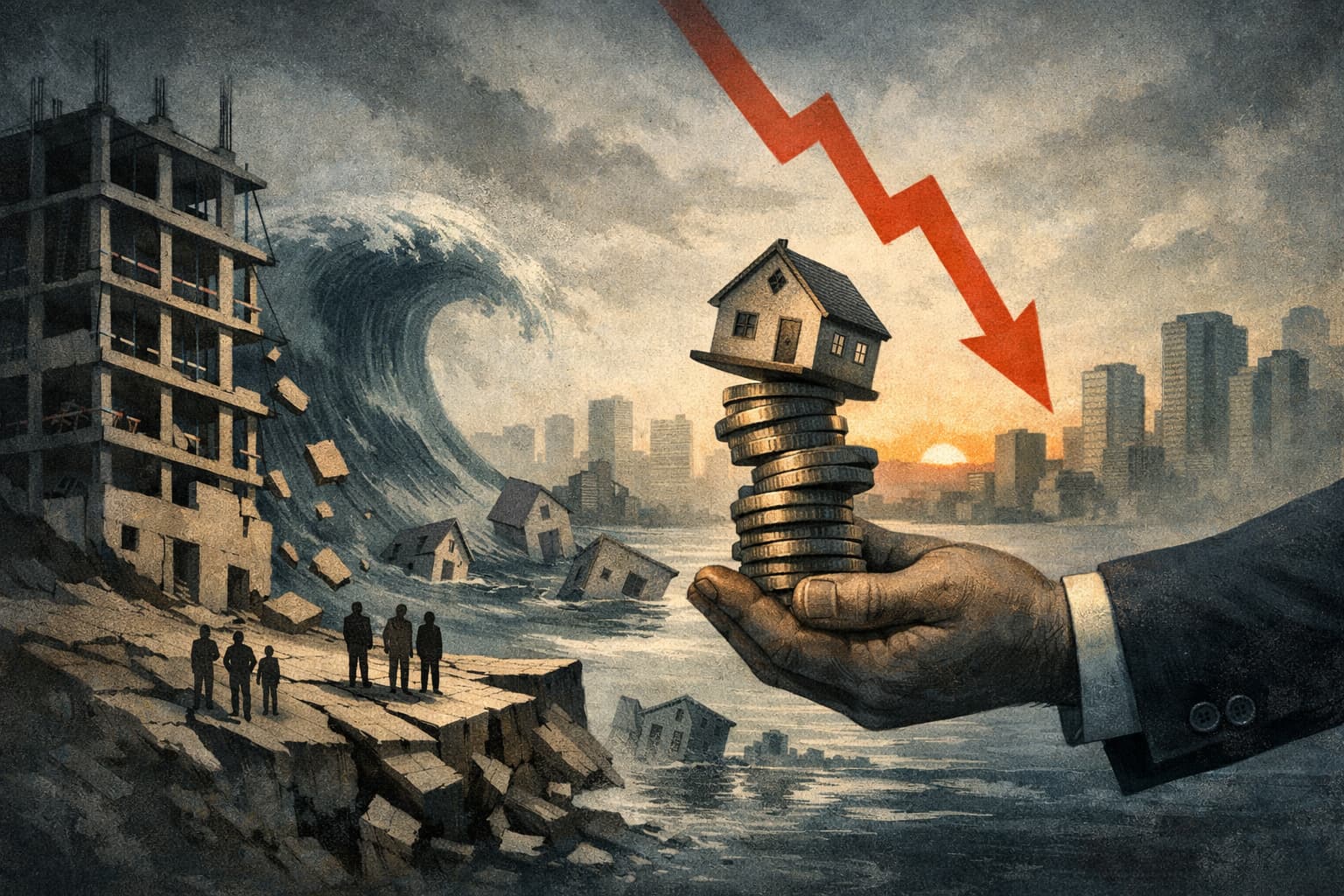
Developer and investor Avishai Ovadia warns that Israel is heading into a “tsunami” of stalled real-estate projects, not new apartments. He says dozens of small and medium-sized development companies have taken on obligations they cannot meet, and will collapse, leaving residents trapped in crumbling buildings tied to warning notices from firms in liquidation.
Ovadia made the remarks in an interview on Globes’ real-estate and investing podcast, “Money in the Wall,” where he also discussed his new book, “Here We Collapse for Fun.” In the book, he blames the rise in housing prices over the past two decades on politicians, developers, bankers, appraisers and the media. He says Israel is the most expensive OECD country for buying an apartment, and argues the current situation is unsustainable. “After we got married in 2013 we looked for an apartment in Jerusalem, but every year prices rose and our equity did not grow with them,” he said. “After the coronavirus prices jumped and interest rates rose dramatically. At that point I understood that if I was somehow close to an apartment, it was over.”
He says official data for 2025 show only a modest average price drop of 0.9%, but claims the real decline is larger and hidden by aggressive contractor promotions. According to Ovadia, in some cities 50% to 70% of sales are done through such promotions, while the sharpest falls appear in second-hand homes. He says second-hand prices are down 10% to 15%, and that the Finance Ministry is already requiring more detailed reporting on actual sale prices and discounts.
Ovadia also argues that banks are propping up prices, citing Bank of Israel data showing a 40% jump in bank credit to real-estate companies in 2025. He says many deals use a 20/80 payment structure, which creates cash-flow stress for builders who then seek more credit. He adds that institutional investors buying stakes in property companies are not doing so for returns alone, but to prevent a collapse in the sector. He says he does not want a crash, only a controlled decline.
Alongside his warnings, Ovadia proposes two policy ideas. “Meter by Meter” would let some 130,000 eligible housing applicants buy land in small increments through a government website, locking in land prices and allowing them to expand their purchase later or sell the meters back to the state. A second plan, called “Anchor,” would regulate renting by indexing rents only to the consumer price index, while the state would give landlords renovation grants and tax relief to create a more stable rental market.


