Fast-Tracked Development: The Interceptor Worrying Iran

A new system from MaXon can intercept Iranian attack drones at a cost of only about $3,500 per unit, while automating almost the entire interception process, marking a dramatic shift in the balance of cost and capability in the war.
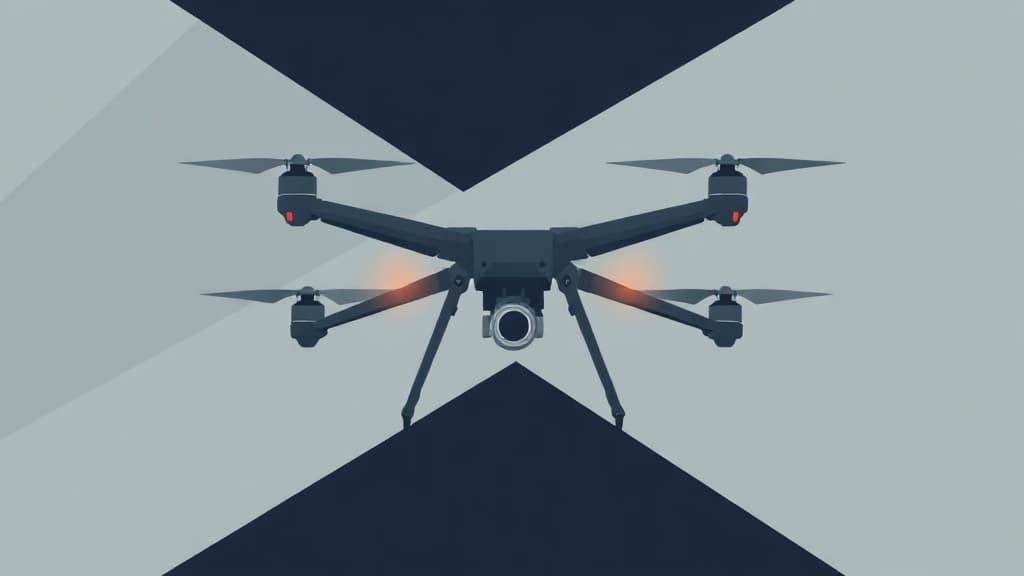
Ukraine continues to accelerate military innovation under sustained pressure from air attacks, and this time the breakthrough is in drone defense. The startup MaXon Systems has developed a new autonomous interceptor capable of shooting down Iranian Shahed drones at very low cost and with minimal human intervention.
According to an announcement by Ukrainian Minister of Digital Transformation and Innovation Mykhailo Fedorov, the system has already completed successful operational tests and performs about 95% of the interception process automatically, from detection to impact. A human operator is mainly required to approve launch, while retaining the ability to intervene or cancel the operation at any stage.
The system is integrated into Ukraine’s radar network and receives real-time data on aerial targets. After a target is selected, the interceptor drone is launched and navigates independently toward the target. In the final approach stages, artificial intelligence-based algorithms identify the attacking drone, lock onto it and carry out the interception.
MaXon’s development began only in early 2025, and it managed to move from prototype to operational deployment in about one year, an unusually fast pace even by defense industry standards. The first tests were conducted in the Kyiv and Chernihiv regions, and later expanded to the Kharkiv region.
One of the system’s most notable features is its low cost, about $3,500 per unit, a fraction of the cost of traditional interceptor missiles. That means Ukraine can afford to deploy large interceptor arrays and create a quantitative response to the growing drone threat.
The threat itself is rising sharply. According to Fedorov, the number of Shahed drones launched at Ukraine has increased by about 35% each month. At the same time, the interception rate using interceptor drones has doubled over the past four months, a figure that indicates the effectiveness of the new approach.
MaXon’s system is part of a broader trend in Ukraine that includes the development of a range of interceptor drones costing between $1,000 and $4,000, capable of operating in different weather conditions and at speeds of up to 300 km/h. However, the system’s high level of autonomy, which allows one operator to manage several interceptors simultaneously, may signal the next generation of aerial warfare.


