
Political Clash Threatens Vote on Controversial Israeli Legal Adviser Reform
Translated & summarized from Kikar HaShabbat by baba
A political dispute between Moshe Gafni and Bezalel Smotrich over salary increases for ultra-Orthodox kindergarten teachers has stalled a crucial Knesset vote on a bill to reduce the State Attorney's powers. The conflict threatens the bill's passage and coalition stability amid harsh accusations and stalled negotiations.
The story in 6 lines · by baba
- Knesset vote on weakening State Attorney powers stalls due to political clash.
- Moshe Gafni threatens to block bill over delayed pay raises for ultra-Orthodox kindergarten teachers.
- Bezalel Smotrich accused of using salary issue as political leverage in Beit Shemesh coalition talks.
- Religious Zionist Party accuses Gafni of protecting judicial dictatorship and warns of community backlash.
- The bill would make State Attorney's legal opinions advisory, not binding, and shift legal representation control to the government.
- Coalition agreement at risk as ultra-Orthodox parties reconsider support amid the dispute.
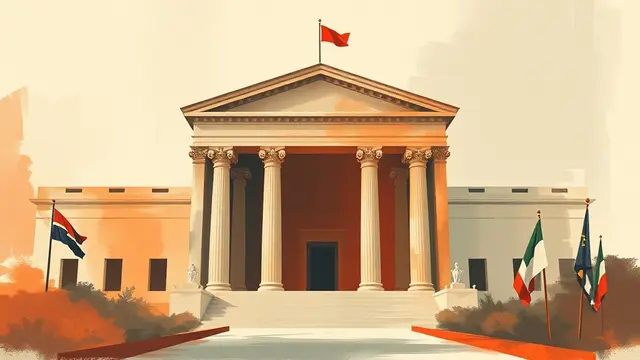
The Israeli Knesset faced a dramatic deadlock on Wednesday just before the decisive second and third readings of a historic bill aimed at weakening the authority of the State Attorney. The bill, championed by Justice Minister Yariv Levin and Constitution Committee Chair Smotrich, had undergone about 70 committee sessions but stalled due to a fierce confrontation between Moshe Gafni of United Torah Judaism and Finance Minister Bezalel Smotrich of the Religious Zionist Party.
The crisis erupted over delays in approving promised salary increases for ultra-Orthodox kindergarten teachers, which United Torah Judaism accuses Smotrich of withholding as political leverage to secure his party’s inclusion in the local coalition in Beit Shemesh. In response, Gafni threatened to block support for the key coalition bill, risking its collapse in the Knesset. The Religious Zionist Party fired back with unprecedented harsh rhetoric, accusing Gafni of shielding the judicial dictatorship of State Attorney Gali Baharav-Miara and warning that if the bill fails, Gafni and his faction would lose credibility in the ultra-Orthodox community.
The bill itself seeks to fundamentally alter the relationship between the government and its legal adviser by removing the binding nature of the State Attorney’s legal opinions, making them advisory rather than mandatory. It also grants the government ultimate authority over legal representation in court, allowing it to hire private lawyers if the State Attorney refuses to represent its position.
This political standoff threatens to unravel a broader coalition agreement in which ultra-Orthodox parties had pledged full support for the bill in exchange for other legislative concessions. With both sides entrenched, the future of the bill and the coalition’s stability remain uncertain as behind-the-scenes mediation efforts continue.
Mentioned
The same event, reported separately by each outlet. Open a few to compare what different newsrooms emphasize — and what they leave out.
Centre 1Haredi 1
