
Israel's Inflation Expected to Hit Five-Year Low Amid Economic Optimism and Fiscal Concerns
Translated & summarized from Globes by baba
Israel's June inflation is expected to fall to a five-year low of about 1.5%, signaling easing price pressures and potential interest rate cuts. Despite this positive outlook, rising defense spending and geopolitical risks pose fiscal challenges that could impact future inflation and debt levels.
The story in 6 lines · by baba
- June inflation expected to drop to 1.5%, lowest since mid-2021.
- May saw a 0.3% price decline and annual inflation at 1.9%.
- Bank of Israel may cut interest rates again, possibly in September.
- Rising defense budgets threaten fiscal discipline and increase debt-to-GDP ratio.
- Shekel weakening against dollar could raise inflation on imported goods.
- Economic data show reduced price expectations and moderate demand recovery.
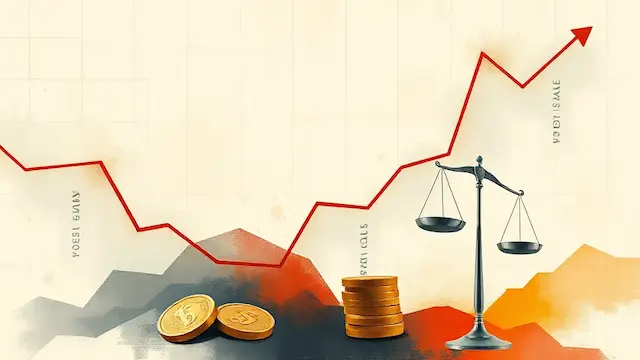
Israel's consumer price index for June, due for release this evening, places the country's financial market at a crossroads of cautious optimism and long-term concern. Following a 0.3% price drop in May and an annual inflation rate of 1.9%, economists predict June will show a further decline of about 0.1%. This negative reading, combined with the "base effect" from last June's 0.3% index, is expected to reduce annual inflation to around 1.5%, the lowest since mid-2021 before the global inflation surge linked to the pandemic and supply chain disruptions.
This inflation rate situates Israel well within the Bank of Israel's target range of 1.0%-2.0%, a notable achievement compared internationally, especially as many countries still struggle with persistent inflation. Ofer Klein, head of economics and research at Harel Insurance and Finance, attributed the decline to lower fuel, clothing, and produce prices. He anticipates inflation will continue to ease toward the lower end of the target range, supporting expectations that the Bank of Israel may resume cutting interest rates, possibly as soon as September. This outlook is expected to boost stocks in real estate, consumer sectors, and smaller companies listed on the Tel Aviv 90 index.
Deeper economic data reinforce this trend, with the Central Bureau of Statistics reporting a sharp drop in companies' price expectations for July, the lowest in five years, and moderate recovery in domestic demand and business activity. However, risks loom beneath the surface. Alex Zvezhinsky, chief economist at Meitav, warned that planned increases in defense spending could undermine fiscal discipline, pushing the deficit from a temporary 3.3% to about 5.5% by year-end and raising Israel's debt-to-GDP ratio. The Bank of Israel projects a 4.2% deficit in 2027, assuming no new wars and strong growth, but this excludes Prime Minister Netanyahu's plan to boost defense budgets by roughly 350 billion shekels over the next decade. This could raise debt ratios from about 70% to 82%-84%, even with continued U.S. aid.
Additionally, the Israeli shekel's recent weakening against the dollar, influenced by geopolitical and political developments, threatens to increase inflation through higher costs of dollar-linked items like overseas travel and imports. In summary, while the upcoming inflation report is expected to provide positive news and ease immediate pressure on interest rates, ongoing fiscal deficits and geopolitical risks will continue to cloud Israel's inflation and monetary policy outlook.
Mentioned
The same event, reported separately by each outlet. Open a few to compare what different newsrooms emphasize — and what they leave out.
Centre 5Right 2Haredi 1Other 2










Not the same event — other stories that share this one’s people, places, or theme: background, reactions, and follow-ups.

