
What Happens When a Passenger Breaks Into the Cockpit? The Answer May Surprise You
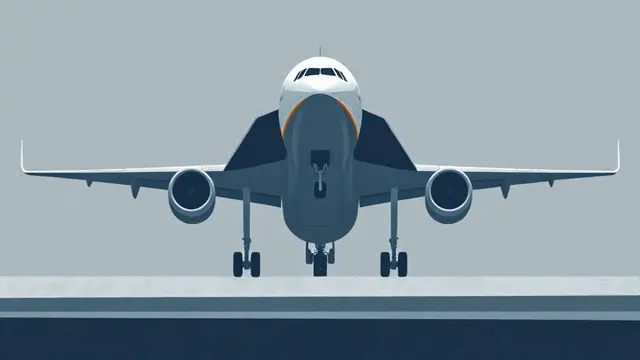
In the wake of two unusual attempted breaches in the United States, aviation experts are reassuring passengers in the skies. Since the September 11 attacks, no one has succeeded in getting into the cockpit of a commercial airliner. What is the new solution from the major airlines to the only remaining weak point during a flight?
While many passengers fear unusual incidents during flights, cases in which passengers try to force their way into the cockpit continue to occur around the world. Just last month, two planes in the United States had to change course after passengers tried to break into the cockpit during the flight. In one case, on a Frontier Airlines flight from Puerto Rico to Chicago, a 51-year-old passenger first tried to open an emergency exit door and then began forcefully pushing on the cockpit door. According to U.S. authorities, he even attacked a crew member before being subdued by passengers and crew. The plane was diverted for an emergency landing in Miami, and the passenger was arrested immediately upon landing. This incident came days after another passenger repeatedly tried to reach the cockpit on a United Airlines flight, which also forced the aircraft to make an unscheduled landing.
Despite the dramatic headlines, aviation experts stress that the chance of a passenger successfully breaking into the cockpit of a modern passenger plane is almost zero. In fact, since the terrorist attack of September 11, 2001, no one has managed to break into the cockpit of a commercial aircraft in the United States during flight. The reason lies in the dramatic changes made in aviation after the attacks. After 2001, all airlines were required to install reinforced cockpit doors, including special locking mechanisms and particularly durable materials. The doors were designed to withstand break-in attempts, physical assault and even gunfire. According to former U.S. security officials, a person who tries to force the door open with physical strength is likely to injure himself long before causing damage to the door itself.
But even this highly secured system has one weak point, the moment the door is opened. On long flights, pilots sometimes have to leave to use the restroom, get food or switch with another pilot. It is precisely at these points that special security procedures are activated to prevent any passenger from approaching the cockpit. In some airlines, the passage is blocked with service carts when the door is opened, and in recent years airlines have begun adding an additional layer of protection in the form of an internal barrier placed between passengers and the cockpit area. The barrier allows pilots to go out and come back in without creating direct access to the flight deck. Major U.S. airlines, including United, American, Delta and Southwest, have already begun installing the new systems on their newer aircraft as part of the continued tightening of air security.
Despite hundreds of reports each year of unruly passengers, aviation authorities emphasize that this is only a tiny fraction of the millions of passengers who fly every day. In addition, pilots and flight attendants receive special training to deal with hijacking attempts, security threats and violent behavior on board. For Israeli passengers, the meaning is simple, even if a passenger loses control and tries to reach the cockpit, the chances of actually getting close are very low. The security systems built after September 11, together with the strict operating procedures of the airlines, have made the cockpit one of the most secure places on the plane.
The same event, reported separately by each outlet. Open a few to compare what different newsrooms emphasize — and what they leave out.
Not the same event — other stories that share this one’s people, places, or theme: background, reactions, and follow-ups.




Ask About This Article
Duki reads it, and every newsroom on the same story, then answers with sources.