
Does Integrating Female Combat Soldiers Hurt the Reserves?
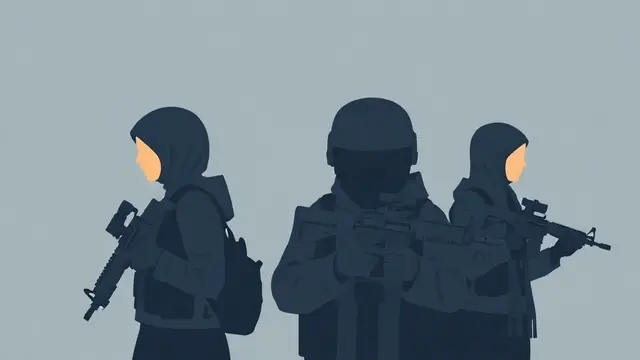
Michael Foa argues that expanding the integration of female combat soldiers in the IDF creates a significant gap between regular service and the contribution of the reserve forces, on which the army relies in times of emergency. In recent decades, the IDF has promoted opening all combat units to women, following pressure from the High Court of Justice, feminist organizations and research institutes such as the Dvora Forum and INSS. Just recently, it was reported that the first female soldier completed the Sayeret Matkal track. However, according to IDF data that reached the organization Bochrim B'Family, this process has a significant and measurable cost when it comes to the reserve system, which is the backbone of the IDF in times of emergency. According to the data provided by the IDF's Freedom of Information officer, the share of female combat soldiers in regular service rose steadily from 5% in 2013 to 21% in 2025. By contrast, the picture in the reserves is completely different, in 2025 female combat soldiers made up only about 10% of the total reserve combat force. In other words, only about half of the increase in the number of female combat soldiers in regular service is ultimately translated into active reserve manpower. The more the IDF invests resources in increasing the number of female combat soldiers in compulsory service, the larger the share of that investment that does not reach the reserve force on which the army relies in wartime. Even among female combat soldiers who do serve in the reserves, there is a significant and persistent gap in the scope of service and reserve days recorded over the years, especially in the recent years of fighting:
• In 2023: male combat soldiers completed an average of about 67.3 reserve days, compared with only about 49.9 days for female combat soldiers. • In 2024: at the height of the fighting, the gap widened, with male combat soldiers serving an average of about 102.8 days, compared with about 75.5 days for female combat soldiers. • In 2025: the trend continued, with an average of about 85.9 reserve days for male combat soldiers, compared with about 70.9 days for female combat soldiers.
What is the IDF refusing to disclose? The data presented above reveal only part of the picture, since the IDF does not publish other essential data needed for a genuine review of the policy, such as the cost of training female combat soldiers compared with male soldiers, injury and burnout rates among female soldiers, attrition rates, long-term operational readiness, and the cumulative impact on the reserve system. Without this data, it is impossible to carry out a serious and professional cost-benefit test. In addition, over the years the definition of "combat roles" has been greatly expanded, so part of the increase in the number of female combat soldiers stems from bureaucratic redefinitions and not necessarily from a parallel increase in the most effective available fighting force at the front. The obvious question is whether, when the High Court and the IDF push to open all combat units to women, they also examine the operational, economic and social cost of the move. Is its impact on the reserve system being examined? Is its impact on recruiting and retaining religious and traditional young people, who see the sanctity of the camp as a fundamental value, being examined? When the share of female combat soldiers in regular service quadruples, but in the reserves it is cut to about half, when female combat soldiers consistently perform fewer reserve days than male combat soldiers, and when the IDF refuses to disclose full data on costs, injuries, burnout and operational readiness, the public is entitled to ask whether the policy is being determined by purely security considerations or by civilian equality considerations. The sanctity of the camp, unit cohesion and a strong reserve force are not obstacles to victory, they are part of the conditions for victory. Before continuing to open more and more combat units to women, it would be appropriate to present the public with a full cost-benefit test and examine whether the move strengthens the IDF or weakens its power in the long term. The author is the chairman of the Bochrim B'Family movement.
The same event, reported separately by each outlet. Open a few to compare what different newsrooms emphasize — and what they leave out.

Not the same event — other stories that share this one’s people, places, or theme: background, reactions, and follow-ups.



Ask About This Article
Duki reads it, and every newsroom on the same story, then answers with sources.