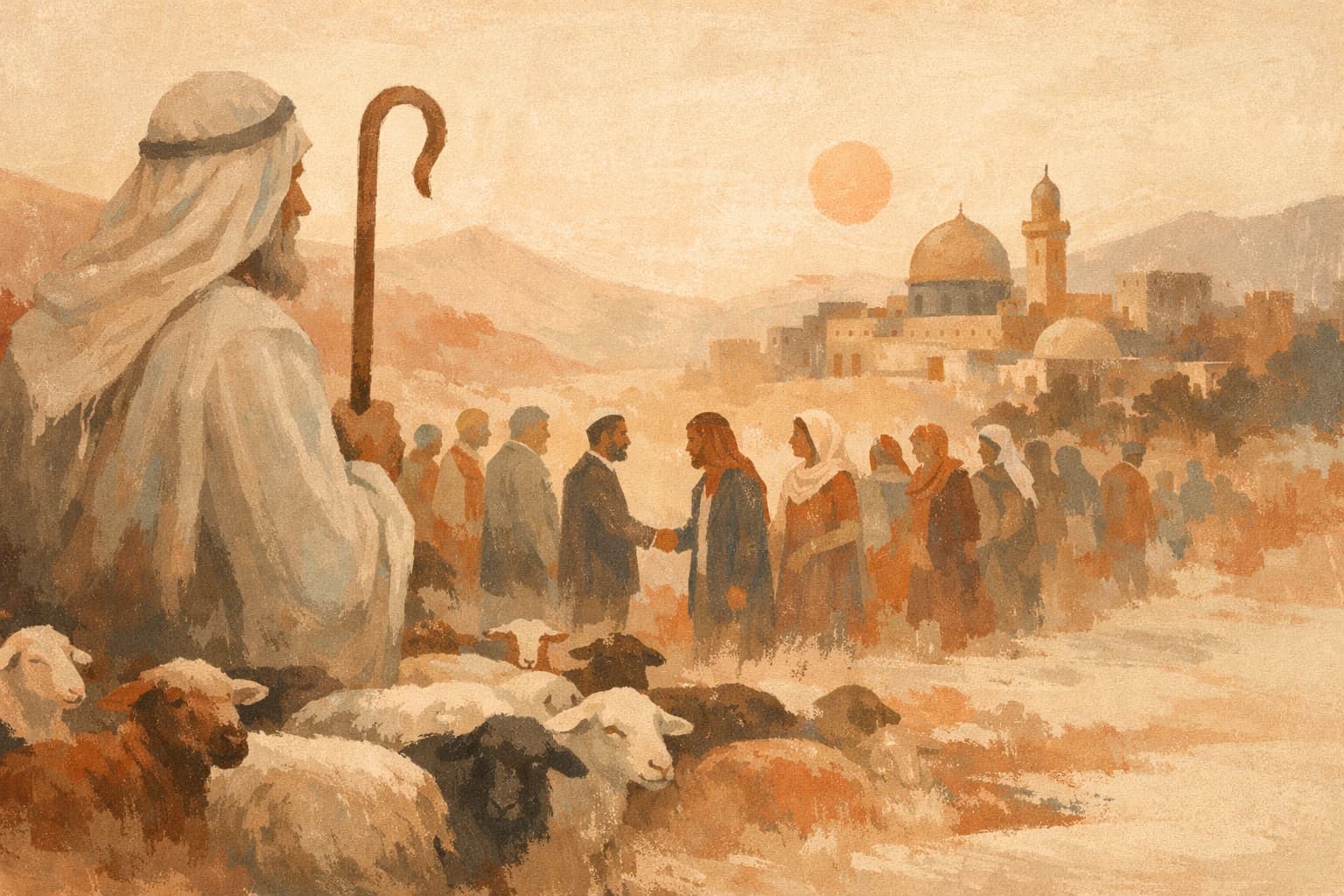
Biblical Insights Define True Leadership as Inclusive and Responsible Shepherding

The Torah portion of Pinchas, as interpreted by Rashi, Malbim, and the Midrash, presents a multifaceted view of leadership that goes beyond mere authority. It emphasizes a leader who not only guides from the front but also listens to diverse voices within the community, strengthens public morale, and assumes responsibility for all of Israel. Fundamental questions about leadership arise: what defines it, who is fit to lead, what skills are necessary, how to limit and critique a leader’s power, how to replace a leader, and whether leadership traits are innate or acquired. The discussion also considers leadership’s nature in the age of social media and whether a leader must be a moral symbol or if political success suffices despite personal flaws.
This theme is vividly illustrated in the dialogue between Moses and God before Moses’ death, when Moses requests God to appoint a successor to lead Israel into the Promised Land. Moses describes the leader as one "whom the Lord will choose, a man over the congregation, who will go out before them and come in before them, and who will bring them out and bring them in," likening leadership to shepherding a flock that would otherwise be lost without a shepherd. Rashi interprets "go out before them" as contrasting with kings who command armies from their homes, highlighting the leader’s personal involvement. Malbim adds that leadership divides into external guidance during battle and internal governance when returning home.
God’s response to Moses focuses on a single essential criterion: appointing "Joshua son of Nun, a man in whom is spirit." The Midrash explains this as a leader capable of navigating and embracing the diverse opinions within the people, accommodating both the strict and the moderate. This ability to "contain" differing views and unify the community is a core leadership trait, akin to a shepherd caring for every sheep, strong or weak, ensuring all are fed and returned safely. Thus, true leadership combines personal example, moral stature, and the capacity to uplift and spiritually inspire the entire nation, reflecting the shepherd’s role toward the flock.