
Israeli Businesses Urged to Prepare Now for Post-Crisis Growth
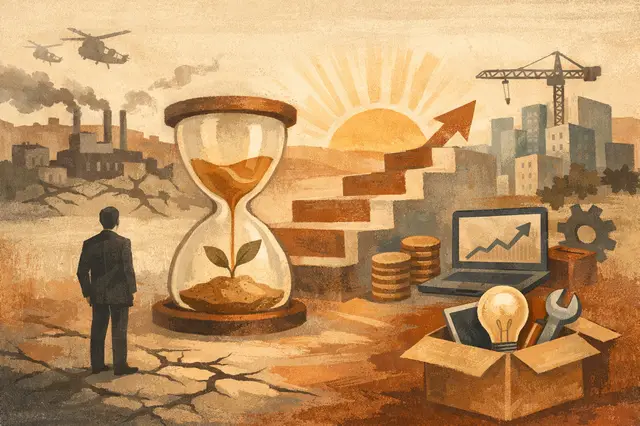
As economic uncertainty rises in Israel amid ongoing security challenges, many consumers hesitate to spend, and several sectors face immediate impacts. Industries such as tourism, leisure, dining, and hospitality are among the first to experience slowdowns, while businesses contend with workforce shortages, reserve duty call-ups, supply chain disruptions, and heightened unpredictability. However, some sectors like technology, cybersecurity, logistics, and e-commerce are seeing accelerated activity due to shifting consumer habits and new demands.
Historical experience shows that crises are transitional periods, often followed by a surge in demand once stability returns. After the COVID-19 pandemic, Israel’s economy rebounded sharply, benefiting businesses that maintained stability during the downturn. The key question now is how companies can prepare for the expected growth phase after the current crisis.
Shabi Shamer, Vice President and Head of the Retail Division at Mizrahi Tefahot Bank, advises that the biggest mistake businesses can make is to freeze operations. Instead, they should reassess their business models, improve efficiency, maintain liquidity, and adapt to changing realities. Strong businesses may invest strategically during downturns to strengthen their future position, while smaller firms must proceed cautiously but still aim to prepare for recovery.
Effective cash flow management becomes critical during uncertain times, alongside strict expense control, prudent client and supplier management, and avoiding excessive leverage. Business resilience also depends on adaptability, such as digitizing operations, expanding delivery services, and innovating customer outreach, especially in sectors like food service. Those who adapt well often emerge stronger.
Conversely, decisions made under pressure, reckless cash burn, unnecessary commitments, or broad cuts harming core activities can cause lasting damage. Efficiency measures must be precise to avoid losing essential staff or capabilities. Maintaining close relationships with accountants, business advisors, and banks is vital for clear situational analysis and tailored solutions. Additionally, government and financial institutions offer support tools like state-guaranteed loans, grants, and targeted aid programs.
Ultimately, crises are an unavoidable part of Israel’s business landscape. While they cannot be prevented, companies can prepare and choose their responses. Those that manage uncertainty effectively not only survive but typically benefit more from the growth that follows.
The same event, reported separately by each outlet. Open a few to compare what different newsrooms emphasize — and what they leave out.
Not the same event — other stories that share this one’s people, places, or theme: background, reactions, and follow-ups.



Ask About This Article
Duki reads it, and every newsroom on the same story, then answers with sources.