Tel Aviv Rejects Late Metro Tax Demand in Property Sale Dispute

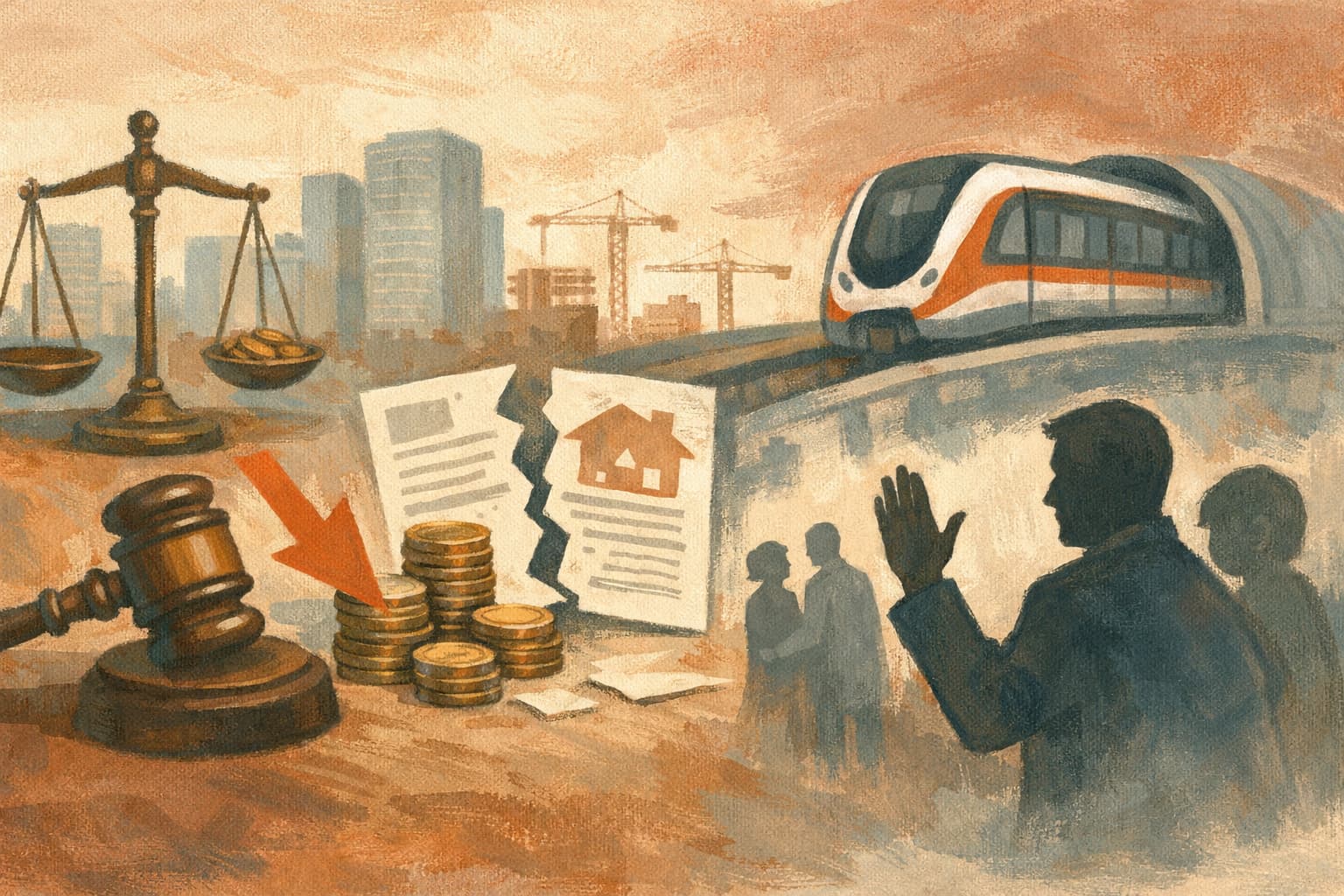
A recent case before the Tel Aviv District Appeals Committee highlighted significant issues regarding the timing and transparency of the Metro Appreciation Tax, a new levy introduced under the 2021 Metro Law to help fund the metropolitan transit system in the Tel Aviv area. The dispute arose when property owners selling an apartment in a South Tel Aviv urban renewal project received an initial tax assessment excluding the Metro Tax, only to have the local planning committee later attempt to add a 32% Metro Tax surcharge after the appeals process was well underway.
The property owners contested the late addition, arguing it violated legal deadlines and principles of fairness, as the tax was not included in the original assessment, nor discussed during the appraisal or appeals stages. Attorney Avraham Bejnov, representing the owners, emphasized that the law requires the Metro Tax to be included in the original tax notice to ensure transparency and allow taxpayers to plan accordingly. He warned that adding such a significant charge months later undermines taxpayer certainty and financial planning, especially for ordinary homeowners unfamiliar with complex tax procedures.
The controversy intensified following a Supreme Court ruling in the Medmoni case, which partially exempted certain urban renewal neighborhoods from appreciation taxes. The local committee used this ruling to revisit the case but introduced the Metro Tax claim for the first time, citing administrative errors due to the newness of the tax mechanism. However, the appeals committee rejected the late Metro Tax claim, reducing the overall tax burden below the previously negotiated settlement.
This case underscores broader concerns about local authorities’ obligations to act transparently and within legal timeframes when imposing taxes. It also highlights the need for property owners and developers to scrutinize not only the amount but also the components and timing of tax assessments. Legal experts advise consulting specialists promptly to challenge improper or delayed tax demands, which can involve substantial sums and affect financial decisions.
Ultimately, the dispute reflects deeper issues of trust between citizens and municipal authorities, emphasizing that tax laws must provide clear, timely information to taxpayers rather than allowing retroactive adjustments that disrupt financial planning and fairness.


