Health Bar Myth, Ultra-Orthodox Seriousness, and Viral Art in This Week's Show

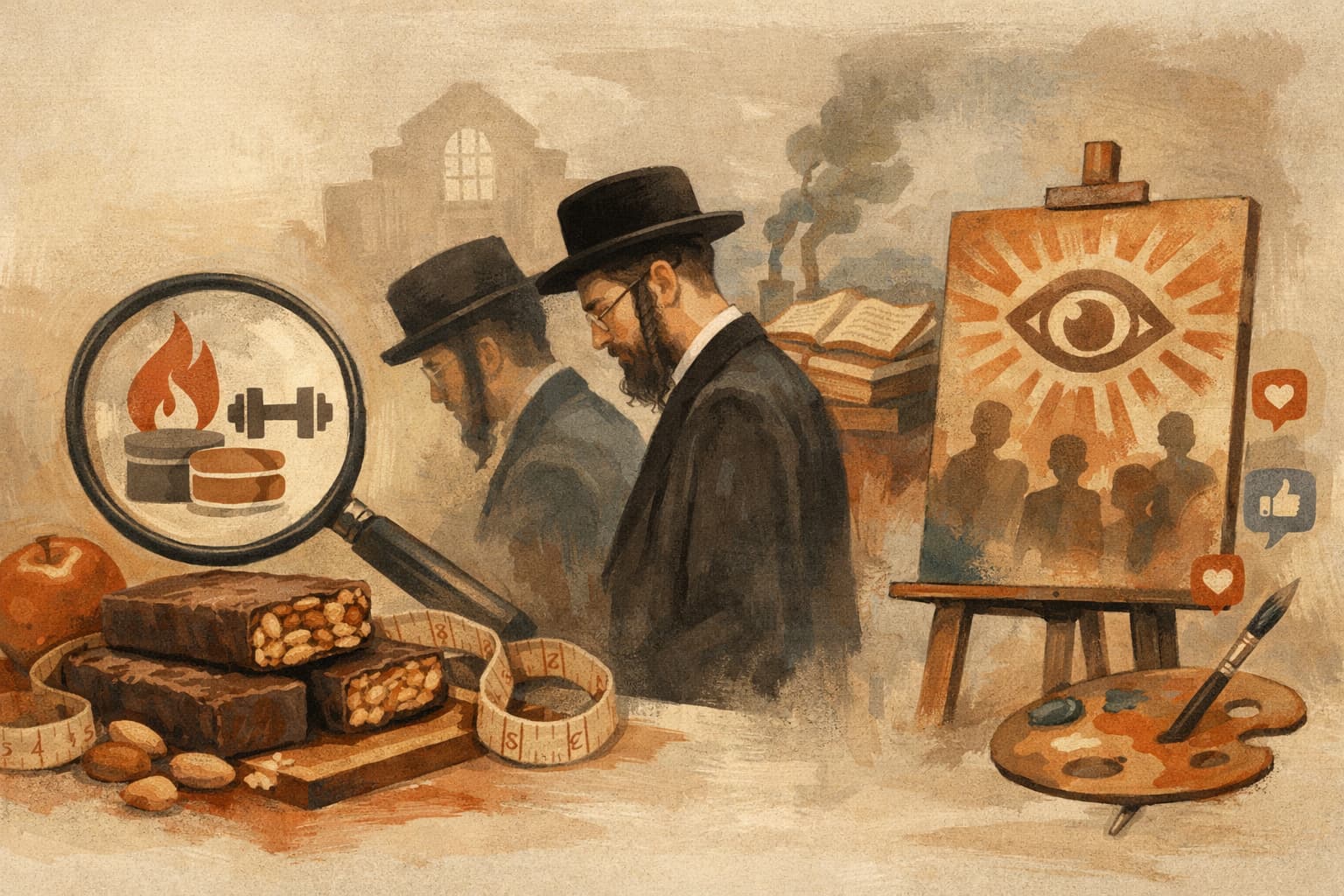
This week’s episode of "Devar Rishon," hosted by Moshe Mans, mixed light current affairs, practical magazine-style segments, and humor. It featured clinical dietitian and sports nutritionist Gilad Dvir, comedian Yossi Chaim Maimon, and a wide-ranging conversation with Ariel Shraer about laughter, sadness, and social attitudes in the Lithuanian ultra-Orthodox community, alongside a closing roundup of striking art clips.
Dvir tackled the marketing boom around protein products, saying the label “health bar” does not make a snack healthy. He explained that companies push protein because it is the nutrient many people, especially athletes and those trying to lose weight properly, struggle most to consume in sufficient amounts. He distinguished between complete protein, found mainly in animal products, and incomplete protein, such as pea protein often used in industrial snacks. His advice was blunt: if you want a pita, eat a regular pita, and get complete protein elsewhere.
He also set out daily protein targets, 0.8 grams per kilogram for people with no exercise, 1.2 to 1.6 grams for moderate activity, and up to 2 grams for regular exercisers in weight-loss phases. On calories, he warned that many protein bars contain 350 to 400 calories and are ultra-processed and fatty. He recommended whole foods such as chicken breast, tuna, or tofu, or, if needed, a fruit plus a protein yogurt. Still, he said one protein bar a day is not a disaster and is far less harmful than junk food, a greasy hamburger, or alcohol.
In the interview segment, Shraer addressed why the ultra-Orthodox, especially Lithuanians, are often seen as serious, saying, “The Torah makes you serious.” He joked that there are almost no ultra-Orthodox stand-up comedians and recalled a yeshiva habit of telling unsuccessful joke-tellers, “zachar lechurban,” as if they had ruined the punchline. He argued that mourning for destruction does not require depression, adding, “You have to mourn the destruction, but you do not have to be depressed and sad because of it.” He linked the call for more joy to everyday pressures, including Iran, the Houthis, the cost of living, and road protests.
Shraer also described an environmental outreach event where he was asked why the ultra-Orthodox are less involved in green causes. He said he answered using Maslow’s hierarchy of needs, arguing that basic needs come first and that in Modiin Illit, survival matters before everything else. The program ended with five art and design clips, including 3D street art on a fence, a doll that paints portraits, gift-wrapping as art, moving mural effects, and the work of artist Paul Kenton.