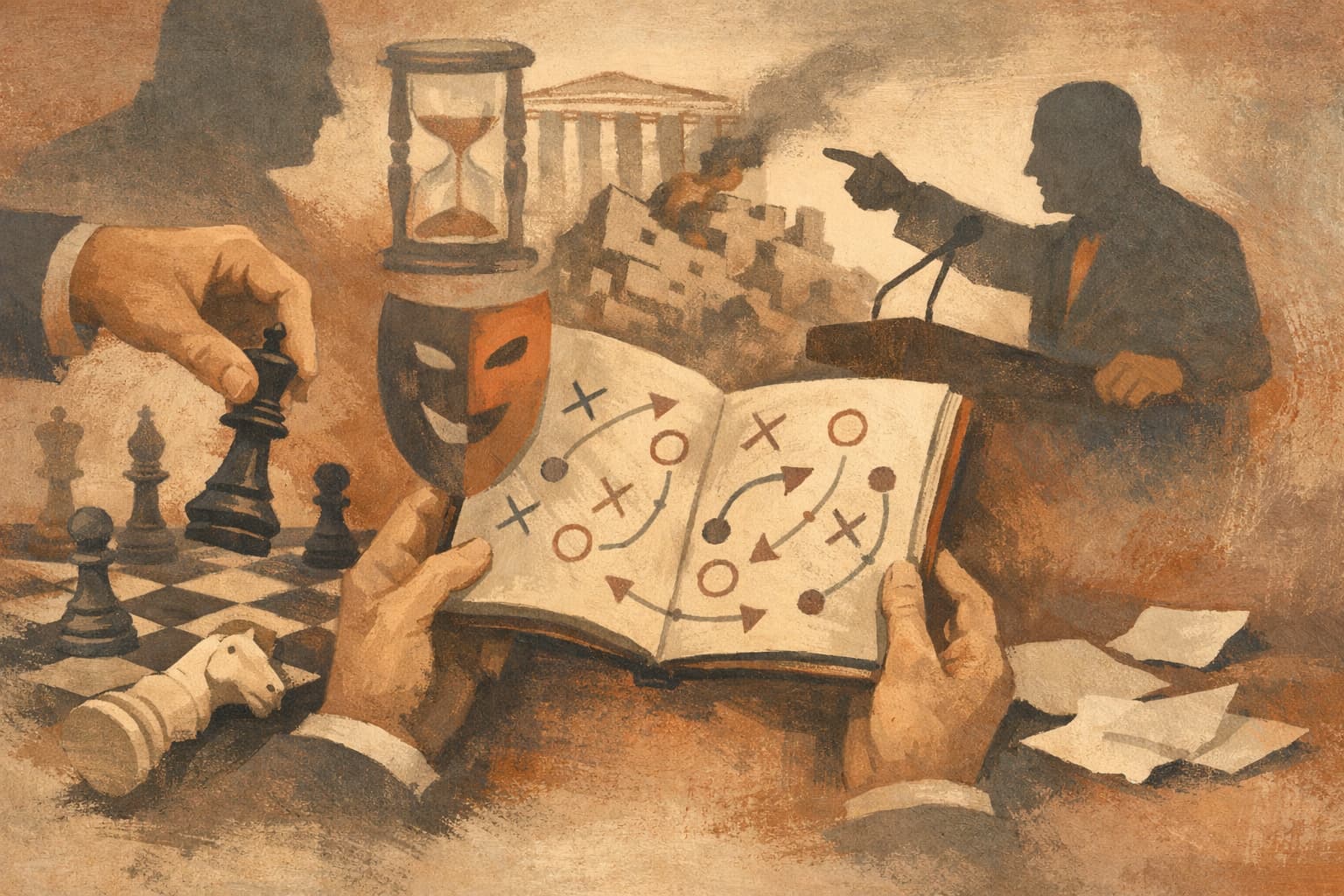
Netanyahu’s Political Playbook, as Told Through Old and New Examples

A Hebrew commentary piece argues that Benjamin Netanyahu’s political method is built on distortion, demonization, and relentless repetition, and says it has defined his career across four terms in office. It opens with a story from a 1999 meeting with then-president Reuven Rivlin, who said Netanyahu asked him to say after interviews that former IDF chief Amnon Lipkin-Shahak, then running against him, was a leftist. Rivlin refused, saying he could not label someone in a way that did not fit and that he did not understand politics well enough to help Likud spin its message.
The article then cites Netanyahu’s own words in a recent CBS 60 Minutes interview, where he reportedly held the interviewer’s cellphone and said, “I can paint you as a monster with the device. If I repeat it enough times, enough people will believe it.” It presents that as a classic fake-news tactic and says the prime minister’s habit of spreading falsehoods has been seen in campaign slogans and attacks on public figures, from claims about Jerusalem to current insinuations involving military and political opponents.
The piece says Netanyahu’s latest “spin” is a national unity government, which Likud will frame as a way to reunite the country, while actually weakening the opposition. It recalls past examples, including rumors heard by Rabbi Kaduri, manipulated videos targeting Benny Gantz, and claims that Yair Lapid signed a surrender deal with Hezbollah, even though the agreement was actually with Lebanon. It also notes that Netanyahu himself signed a ceasefire agreement with a terrorist organization last week.
The commentary ties these tactics to the conclusion of Netanyahu’s criminal testimony this week in his trial for bribery, fraud, and breach of trust. It quotes him saying in a Time interview that the trial is “falling apart” and is barely being covered, and says that during cross-examination he accused prosecutors of setting a trap: “They mislead me. They make me present two answers to the court.” The article ends by warning that the method may still keep Likud at 23 Knesset seats, but it is dangerous because it deepens division, erodes legitimacy, and strengthens the country’s internal weakness, with AI now joining the war over truth and lies.
Not the same event — other stories that share this one’s people, places, or theme: background, reactions, and follow-ups.
