At a Major Sustainability Conference, the Real Focus Was Business

At the Sustainable Brands conference in San Diego, the writer says the biggest surprise was not what was said about sustainability, but how little it was discussed directly. On the way from the airport, he saw an autonomous taxi, a food-delivery robot, and a coastal scene where city inspectors protected a seal and pelican colony. The event itself offered volunteer beach cleanups, food-waste reduction efforts, and an ideas showcase, while drawing executives from Walmart, PepsiCo, HP, Google, Microsoft and others.
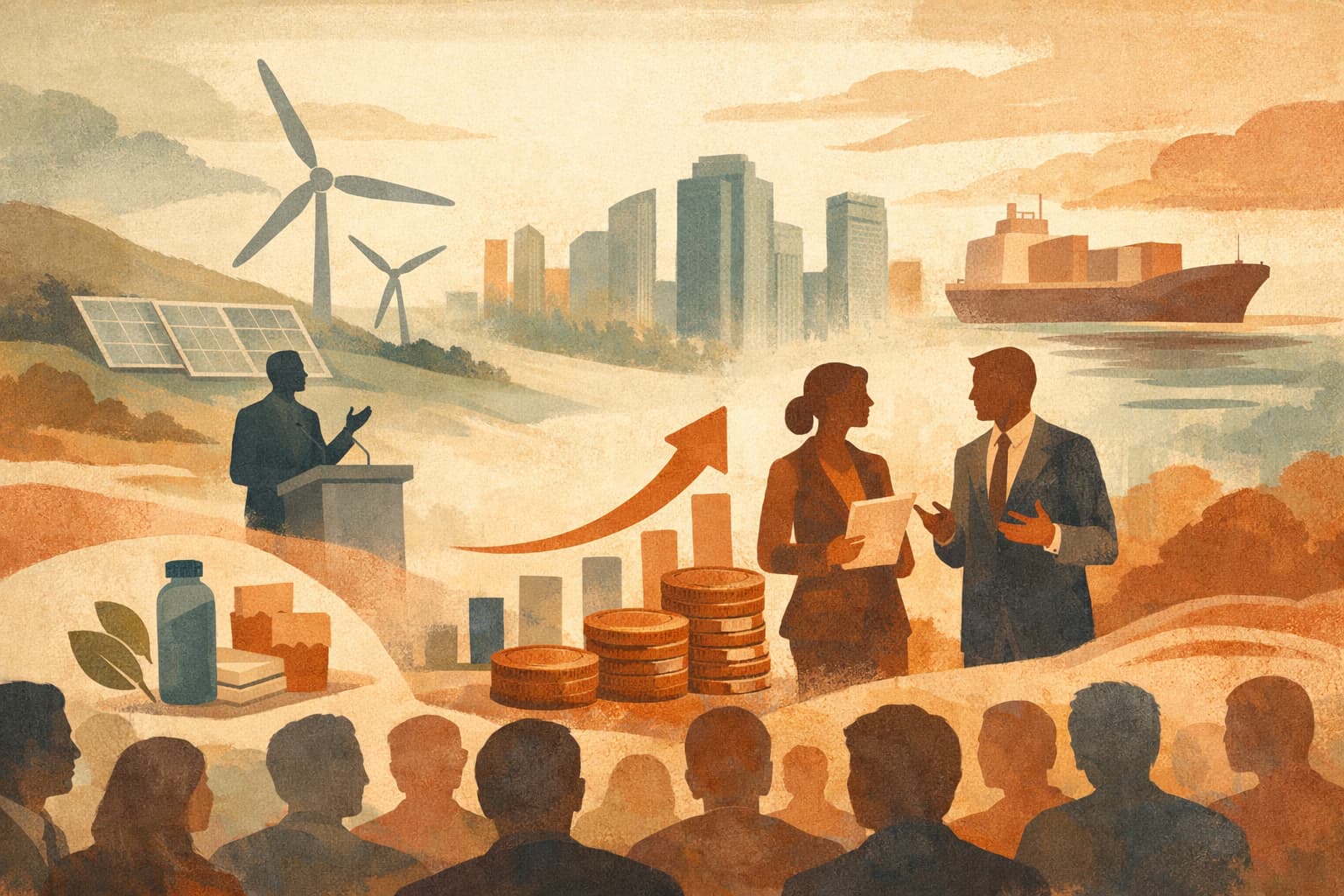
The central message was that sustainability is being absorbed into core business operations. Rather than separate sustainability departments or ambitious standalone reporting, companies talked about integrating environmental thinking into product development, sourcing, innovation, marketing and supply chains. The most repeated advice was not to lead with ESG or emissions cuts, and not to try to educate consumers first. Instead, brands should start with what matters to buyers, such as lower electricity bills, better health or easier use. One panel summed it up as, "Don't tell a story, document the truth."
Several studies reinforced the gap between consumer attitudes and behavior. Finn Partners found that most Americans believe brands can help create better lives, but only a minority think they actually do. NYU Stern School of Business presented research showing shoppers prefer environmentally friendly products, especially in children's categories, but usually will not pay a large premium. Price, availability and confusion over certifications remain major obstacles. Shelton Group data also suggested that people like to see themselves as socially and environmentally minded shoppers, yet usually buy based on personal utility.
Speakers argued that product and marketing teams now need to work together from the start, because sustainability is part of the value proposition, not an add-on. AI was another major theme: data centers consume huge amounts of energy and water, but the same tools can track emissions, optimize manufacturing and calculate supply-chain impacts. The conference also highlighted partnerships that tie brands directly to environmental causes, from forest groups and camping brands to ocean-cleanup organizations.
Donald Trump did not attend, but his name came up repeatedly, and some participants said fewer companies came this year because of the political climate. The broader tone, however, was less ideological and more practical. Levi's promoted its Wear Longer campaign, Ariel described washing at 30 degrees to save energy, and Amazon said its Climate Pledge Friendly program now covers more than 2.2 million products with over 60 certifications. The writer left San Diego concluding that sustainability has not disappeared, it has simply been folded into branding, innovation and strategy.
