After 1,000 Days of War, Israel Has Won Battles but Not the War

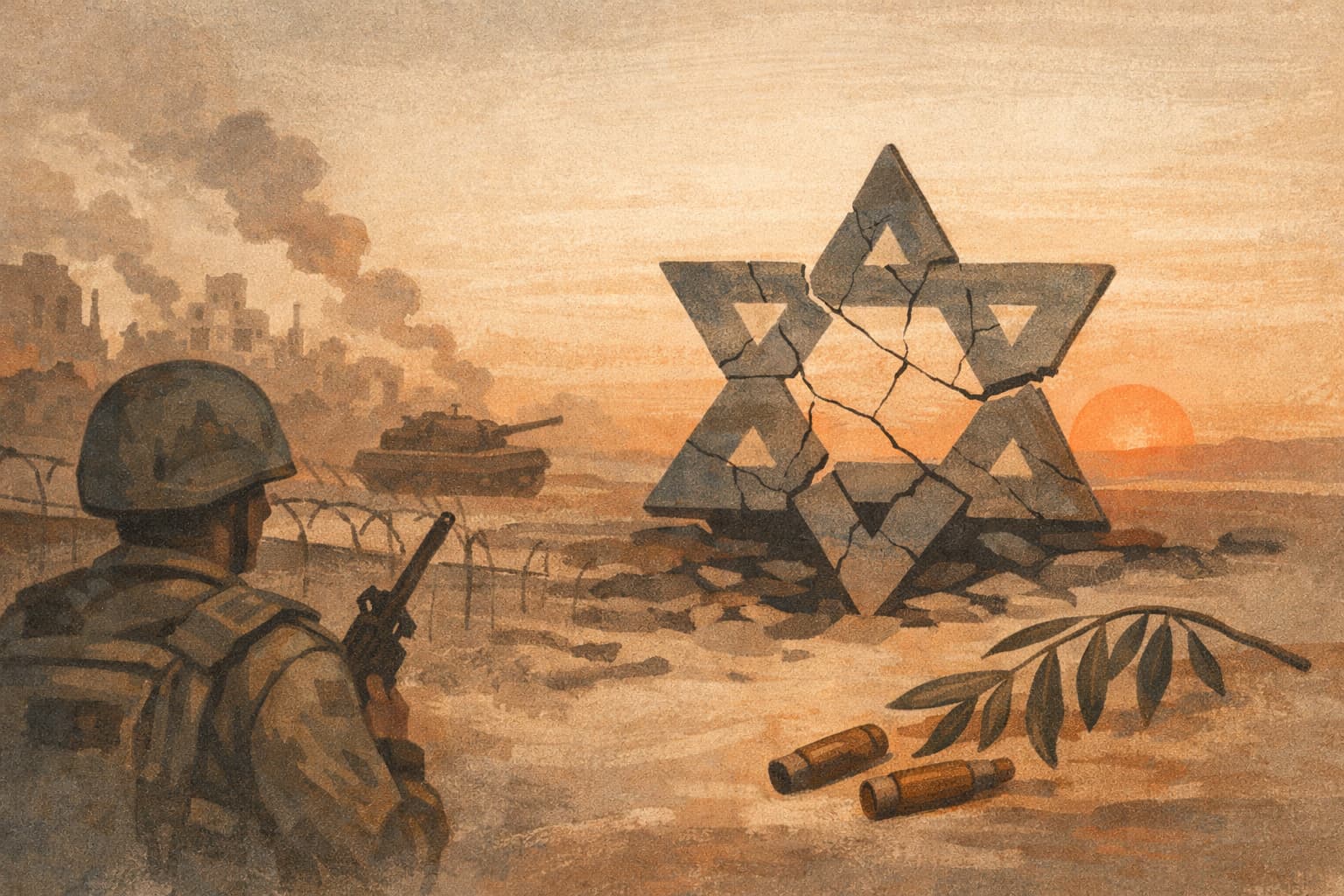
Israel is about to mark 1,000 days since the start of the longest war in its history, which began with the October 7 failure, the gravest military and security collapse the state has experienced. The article argues that the first 1,000 days showed both recovery and danger: Israel stabilized after the initial breakdown, moved to the offensive, and won major military successes, but no front has been fully decided.
Among the achievements cited are the return of all hostages from Gaza, with significant help from President Donald Trump, the Israeli victory in Operation "Northern Arrows" against Hezbollah, the destruction of most of Syria's military capabilities, a forward defensive posture on the Golan Heights, control of about 60% of the Gaza Strip, and two clear wins against Iran in the operations "With All My Might" and "Roar of the Lion." Still, the article stresses that victory is not the same as decisive defeat, because Hamas, Hezbollah, and Iran are all rebuilding and adapting.
In Gaza, Southern Command chief Yaniv Asor is pushing for a return to broad fighting, arguing Hamas is vulnerable and the army is better prepared. The General Staff and political leadership are resisting for now, citing other active fronts, manpower strain, and reserve fatigue. In Lebanon, Hezbollah is said to be far weaker than before the war, with less than 10,000 rockets and no effective leadership, but Israel has already lost some of the freedom of action it enjoyed after the November 2024 arrangement. In Judea and Samaria, the fight against terrorism and Jewish nationalist violence continues, as the IDF adds troops, including the Paratroopers Brigade, bringing the expected number of battalions there to 24.
The piece says Iran has suffered militarily but gained politically and psychologically by projecting resilience. It warns that Israel’s deterrence has eroded, noting that Iran can now fire missiles at Israel and Washington scrutinizes every Israeli response. The conclusion is that the United States remains Israel’s essential ally, but it acts from interests, not friendship, so Israel must sustain direct strategic dialogue with Trump and prepare for possible US arms limits or an embargo by building more independent military capacity. The article also says Netanyahu has promised a 350 billion shekel buildup plan over a decade, but no money has yet been transferred, while the Defense Ministry still owes the defense industries about 13 billion shekels.




