
Enlarged Adenoids Can Affect Children’s Faces, Sleep, and Learning, Doctor Warns
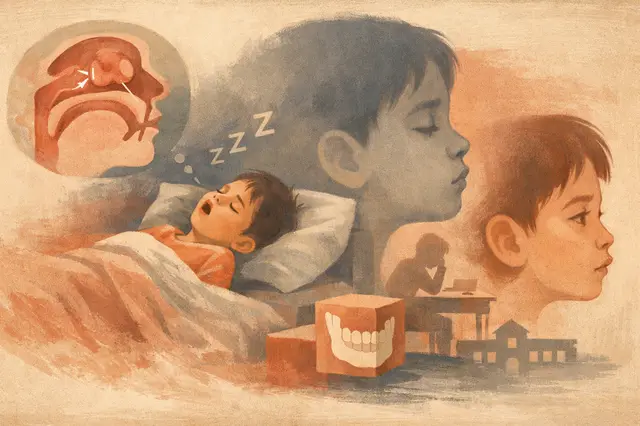
Parents are being urged not to dismiss a child’s snoring, open-mouth breathing, chronic runny nose, or blocked-nose sounds as a harmless habit. In a Hebrew health article published June 26, 2026, Dr. Nadem Habashi, a senior ENT physician at Rambam Health Care Campus, says these signs can point to an enlarged adenoid, also known as the third tonsil, which can interfere with breathing and development if left untreated.
Habashi explains that the adenoid is part of the immune system and sits behind the nose, helping young children fight germs. When it grows too large, it can block airflow through the nose. Common warning signs include snoring during sleep, mouth breathing, chronic nasal discharge, excessive drooling, nasal speech, and recurring ear infections. Because the adenoid is hidden deep behind the nose, it cannot be seen in a routine throat exam, so diagnosis is often delayed. The critical age for spotting the problem is between ages 2 and 6, when the face and jaws are growing quickly.
The article says chronic mouth breathing can alter facial and jaw development. With normal nasal breathing, the tongue rests on the palate and supports proper upper-jaw growth. With mouth breathing, the tongue drops down, the palate loses that pressure, and the upper jaw may remain narrow and high while the lower jaw grows downward and backward. Over time, this can create the so-called adenoid face, with a long face, open mouth, receding chin, and tired appearance. Early treatment can prevent these changes, but after growth ends, complex orthodontic treatment and even surgery may be needed.
Habashi says untreated childhood cases can persist into adulthood, leading to a narrow palate, crowded teeth, abnormal bite, receding chin, and sleep apnea. He said some adults come in at 30 or 40 because of severe snoring, chronic fatigue, or sleep-breathing problems, only to reveal they have breathed through their mouths since childhood. He also notes that poor sleep can impair concentration, memory, and learning, and some children are mistakenly diagnosed with attention deficit disorder. After the blockage is treated, children often still need speech therapy and re-training to breathe through the nose, but exercises alone cannot fix a physical obstruction. Not every enlarged adenoid requires surgery, yet Habashi stresses that persistent snoring or mouth breathing should prompt an ENT evaluation.
The same event, reported separately by each outlet. Open a few to compare what different newsrooms emphasize — and what they leave out.

Not the same event — other stories that share this one’s people, places, or theme: background, reactions, and follow-ups.



Ask About This Article
Duki reads it, and every newsroom on the same story, then answers with sources.