
Residents Appeal Against Concrete Plant Near Beit Shemesh
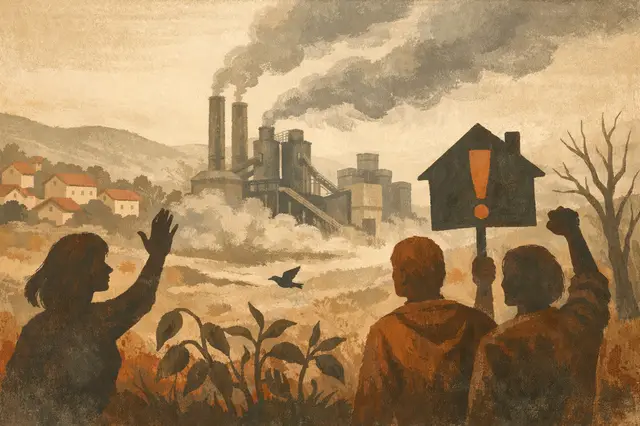
Residents of Beit Shemesh and the nearby moshav of Nehm have filed an appeal against plans to build a concrete plant near their homes, saying the project was approved without proper authority and without the Environmental Protection Ministry’s consent. They say the plant would be only a few hundred meters from residential areas, and the regional planning committee in Jerusalem has not yet responded.
Yiftach Lolai, chairman of the Nehm community committee, said the proposed concrete plant and power station would be about 500 meters from homes. He said the existing quarry already causes heavy dust and severe air pollution, and warned, “If the plant is built, it will be the biggest environmental nuisance in the area.”
Eitan Hevroni, a beekeeper and local resident, also voiced strong opposition. He said nearby residents would suffer from pollution, noise and truck traffic, harming breathing, health and agriculture. He added that the plant would significantly increase cancer risk and accused city officials of putting economic needs ahead of residents’ lives, saying, “They are simply doing whatever they want and sacrificing the lives of the residents.”
The appeal argues that the permit was issued without legal authority and without the required consultations with professional staff and government ministries. The residents say approvals were granted without the Environmental Protection Ministry, the Drainage Authority or a transportation plan, even though those are mandatory conditions. They also say the decision was made during Operation Lion’s Roar, when the committee operated in a reduced format because of the emergency. The appellants warn the plant could contaminate Nahal Sorek, Nahal Samson and local groundwater. Attorney Neria Bar-On, who represents the opponents, called it “a permit born in sin” and said the permit was rushed through without key approvals. He said the appeal committee is the last barrier before irreversible facts are created on the ground.
The same event, reported separately by each outlet. Open a few to compare what different newsrooms emphasize — and what they leave out.

Not the same event — other stories that share this one’s people, places, or theme: background, reactions, and follow-ups.





Ask About This Article
Duki reads it, and every newsroom on the same story, then answers with sources.