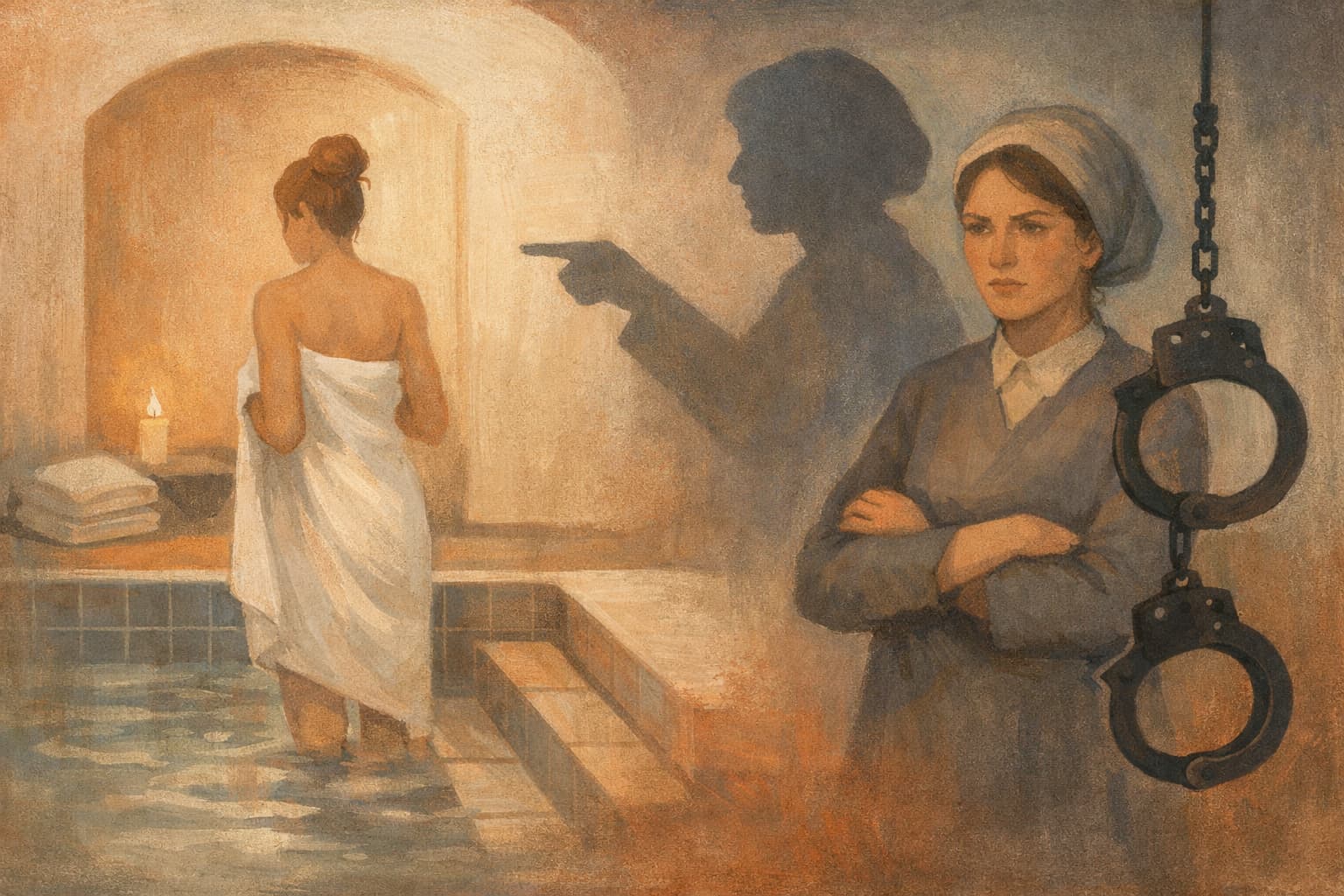
Do Not Turn the Mikveh Attendant Into a Police Officer

Roi Amgar argues that while he strongly opposes Supreme Court intervention in Jewish law, the call to shame women who want to immerse without a mikveh attendant goes too far. He says that instruction, delivered recently at a conference for mikveh attendants by Chief Rabbi David Yosef, risks pushing women away from the mikveh and from the commandment of ritual purity. Yosef reportedly told attendants to act in a way that would embarrass such women, after what he described as a High Court ruling that desecrates the law. Amgar quotes the line, "You raise a hand against the Torah, shame on you."
Amgar says the real issue is not a clash between the High Court and the religious establishment, but an internal debate within Torah observance over how women are treated at the mikveh. He says women regularly ask him about immersion issues, including gel nail polish, jewelry that creates a barrier, and complicated medical questions, and that many have told him about attendants who comment on their nails or earrings. In his view, attendants are supposed to help, while rabbis decide the law.
He cites the Shulchan Aruch as limiting the attendant’s role to making sure no hair remains floating on the water, and says it does not authorize checks for barriers, interrogation about a woman’s days of purity, or remarks about her body. He acknowledges that extra help can be valuable and says the standard should be kindness, humility, and practical guidance for women who are unfamiliar with the details.
Amgar adds that some women do appreciate skilled attendants and a warm word after immersion, but he draws a sharp line between helping, forcing, and humiliating. He warns that turning a loving commandment into a test of submission will drive women away from Torah and possibly from the mikveh altogether. If that happens, he says, the blame will fall not on the courts but on those who chose shaming over outreach.

