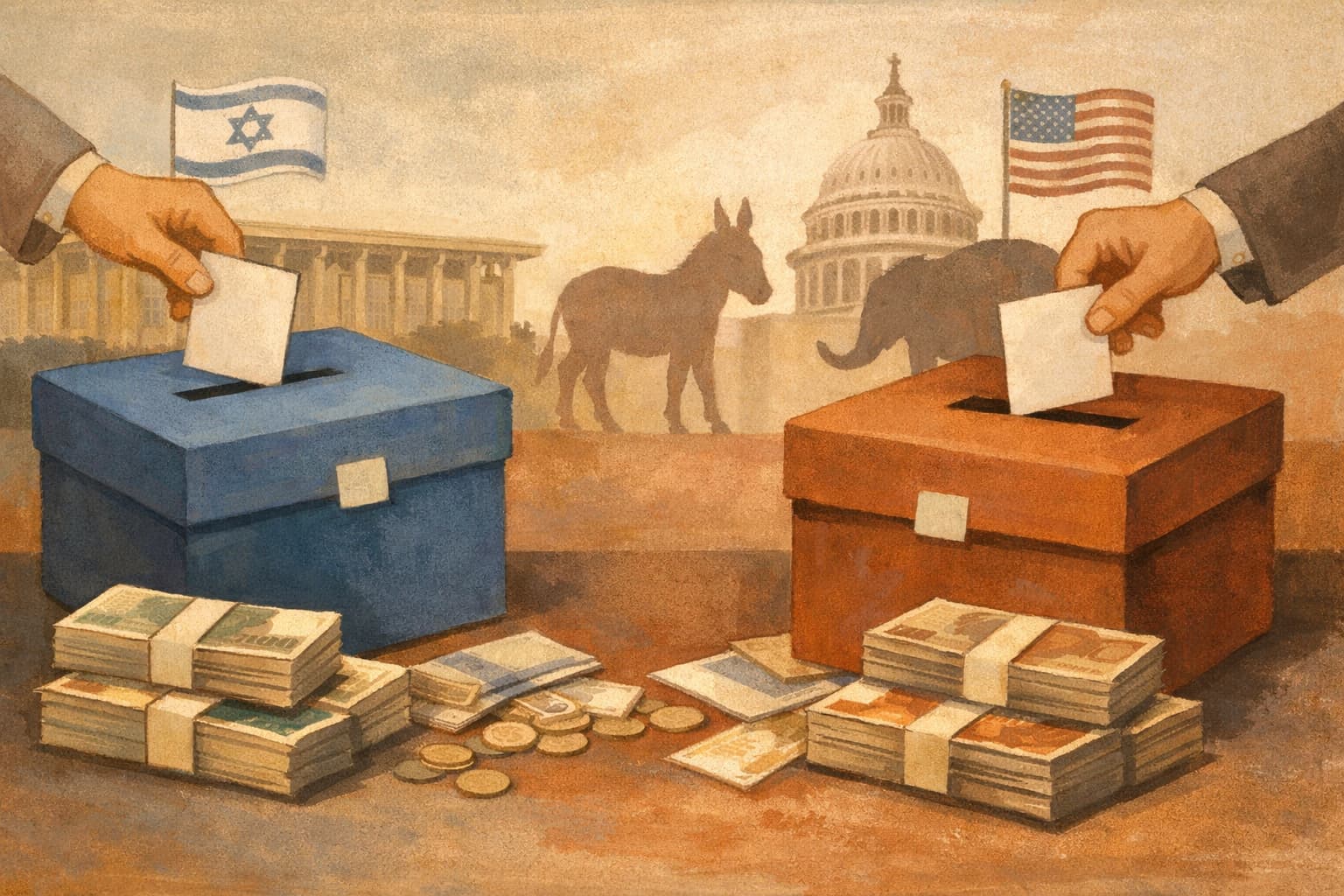
State Funding Will Cover About NIS 11 Million in Upcoming Likud and Democrats Primaries

Upcoming primaries in Likud and the Democrats, formerly the Labor Party, are expected to cost the state about NIS 11 million. The funding is enabled by a 2018 law introduced by MK Dudi Amsalem of Likud, which requires the state to cover primary-election expenses in parties that hold internal contests.
The law was designed to reduce candidates' dependence on wealthy donors and to prevent elected lawmakers from feeling beholden to campaign backers. Based on current estimates, every Likud candidate who enters the 26th Knesset will be entitled to about NIS 350,000 in primary funding, while each Democrats candidate will receive about NIS 276,000. With roughly 150,000 registered Likud members and about 81,000 in the Democrats, the projected public cost is about NIS 8.8 million for Likud and NIS 2.2 million for the Democrats.
Sitting lawmakers in both parties who are seeking another term have already been told they may apply to the Knesset comptroller for the money. The grant does not have to be repaid even if the candidate later fails to win a seat. By contrast, candidates who are not MKs cannot receive the money in advance, and may only be reimbursed after the election if they are sworn into the 26th Knesset.
Those non-MK candidates must fund their campaigns themselves or through lawful donations, capped at about NIS 2,300 per household. To reach Likud's spending ceiling, a candidate would need about 152 separate donations, and about 120 in the Democrats. The article says the system gives an inherent advantage to incumbents, raises equality concerns among primary contestants, and could have been financed by the parties themselves, which already receive generous state funding. The money goes toward campaign signs, digital ads, printed materials, shirts, rallies and meetings. The Democrats' primary is scheduled for July 20, 2026, while Likud is still battling internally over whether to hold primaries at all, how many seats to reserve for candidates chosen by Benjamin Netanyahu, and how to allocate slots for district representatives, young people, women and immigrants.


