PMO Crime Chief Warns of Criminal ‘Parallel Governance’ in Arab Society

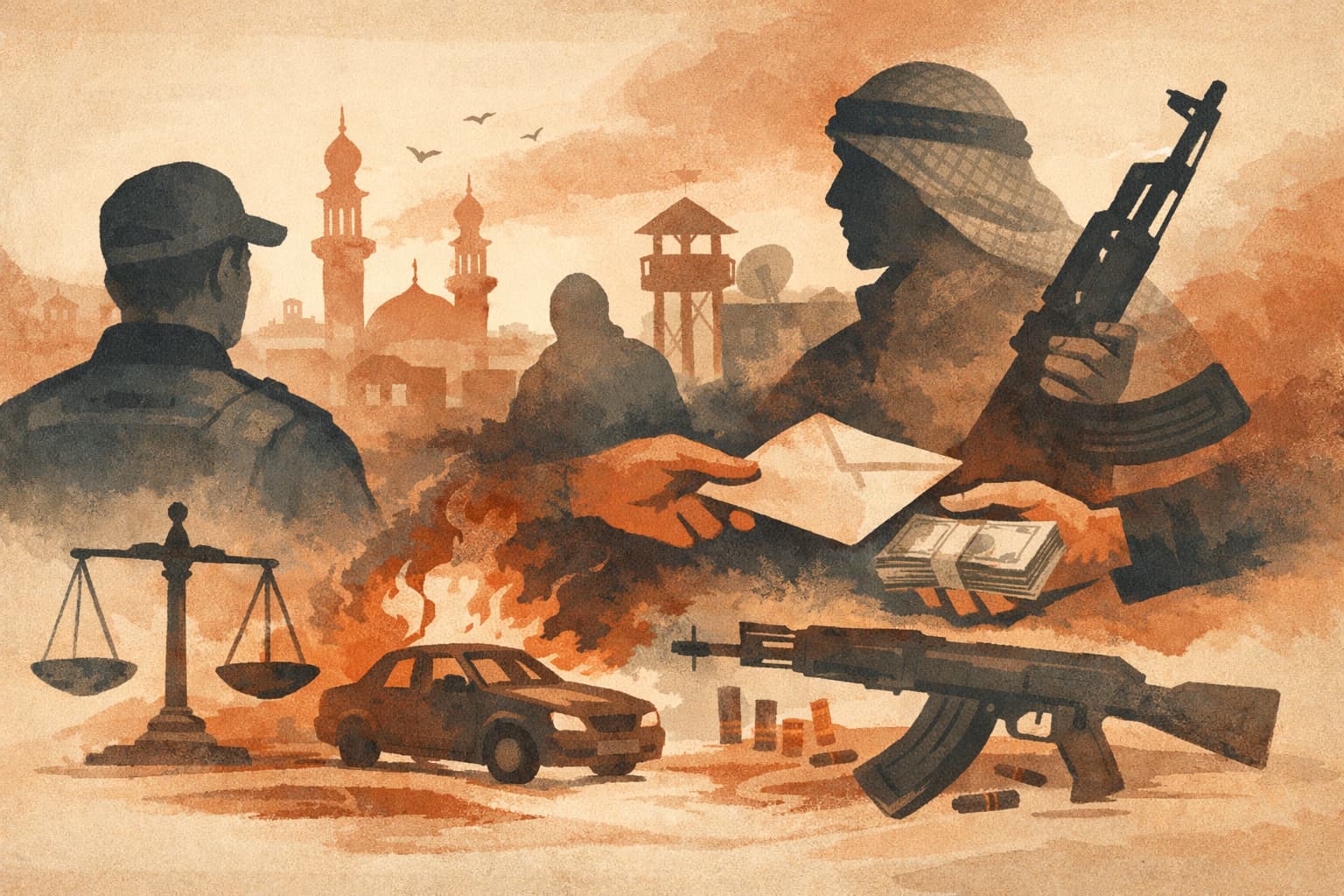
Roi Kahlon, head of the Prime Minister’s Office task force against crime in Arab society, warned Thursday that Israel’s problem goes far beyond the rising murder toll. Speaking at the closing panel on crime in Arab society at the University of Haifa conference on law, governance and responsibility in times of crisis, he said organized crime groups are creating “alternative governance” inside the country and are intimidating state employees, prosecutors, police officers and others from handling these cases.
Kahlon said public debate focuses on the number of killings, but beneath that are many more attempted murders and severe injuries. He estimated that if Israel records 250 or 260 murders a year, there are “more than a thousand” additional cases of near-fatal violence, including people losing limbs or suffering permanent disability. He linked the violence to the huge availability of illegal weapons, saying the arsenal now includes grenades, automatic weapons, anti-tank missiles, explosives, mines and improvised charges. He cited a Ramle incident in which one gang, he said, used a machine gun, launched an explosive drone and was answered by a missile, describing it as something that happened “in the center of the State of Israel.”
He also argued that deterrence has collapsed because arrest rates in murder cases in Arab society are only about 13% to 15%. In his view, young men hired for a few thousand shekels to throw grenades understand the odds of being caught are low. He said the killing of a state witness’s father days earlier sent a message that anyone who cooperates with law enforcement, or whose family cooperates, could be killed.
Kahlon said the fear now reaches state workers themselves, including court officers, utility workers and prosecutors, some of whom fear for years under protection. He described organized crime as a “shadow government,” controlling local councils, public contracting, dispute resolution and even protection money, which he called a parallel tax system. He urged the state to define murderous criminal groups as “terror-crime organizations,” while making any response focused and cautious, and said the fight must combine enforcement with prevention, education and welfare.

