Psychiatrist Warns of Severe Shortage in Post-Hospital Care for At-Risk Youth

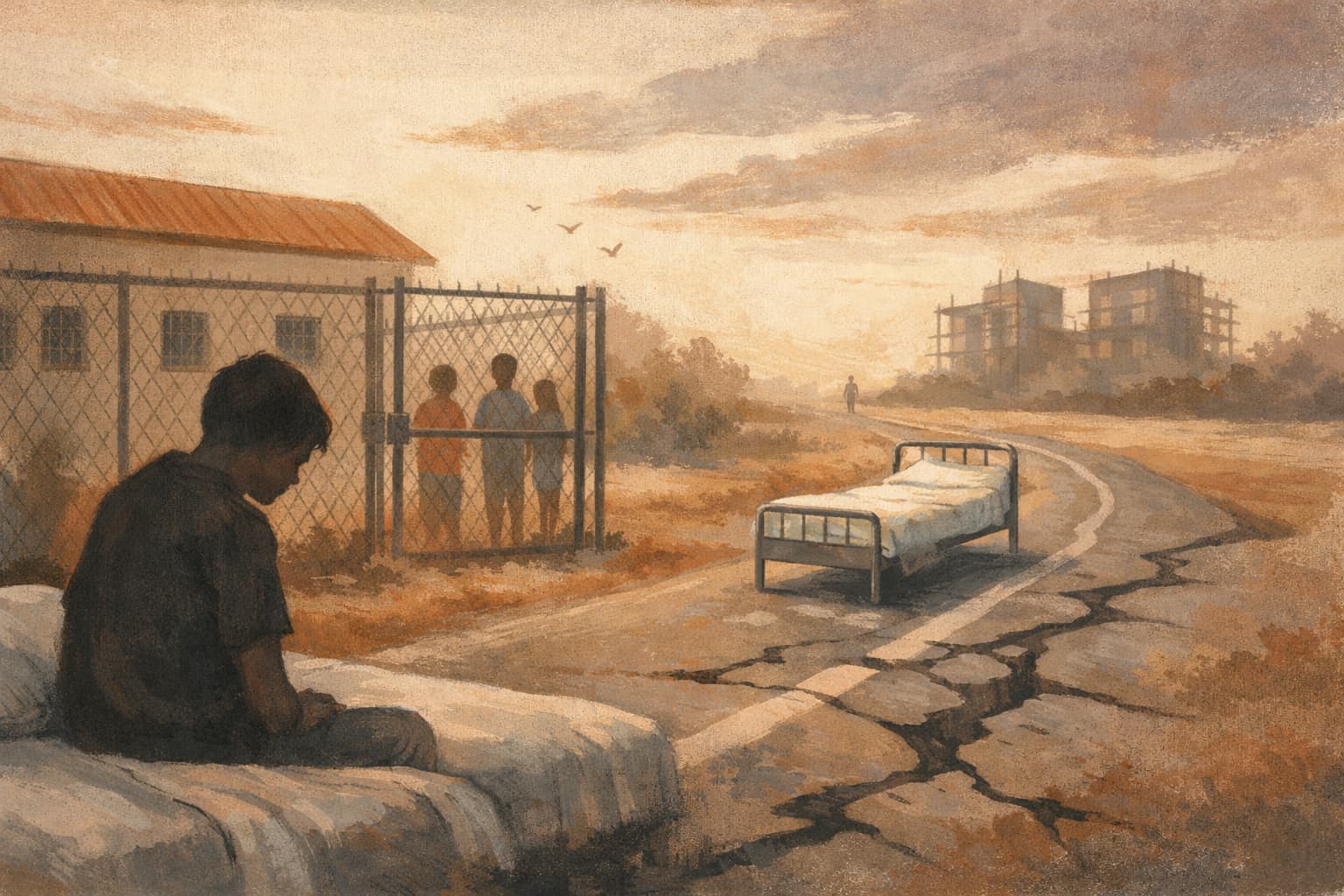
A growing but largely hidden crisis is leaving Israeli teenagers who need post-hospital psychiatric care without enough placements, according to Dr. Shulamit Blank, who has worked in child and adolescent psychiatry for more than four decades. The article describes youths with severe mental health crises, long psychiatric hospitalizations, self-harm, and life-threatening behavior who need a post-hospital boarding school as a vital bridge between locked wards and a return to community life.
Blank says the system often fails families even when professionals and welfare authorities agree the child needs a suitable placement, because the places simply do not exist and responsibility returns to overwhelmed parents. She built her approach after witnessing the “revolving door” of children who stabilize briefly in hospital, return home without proper support, deteriorate, and are readmitted.
Her model is centered on Bnei Arzim in Rehovot, a leading treatment and rehabilitation center that combines strict boundaries with a warm, accepting environment, plus constant supervision and psychiatric care. The on-site Bnei Arzim school integrates academic learning with emotional and therapeutic support, helping children who previously experienced rejection and failure build self-worth, confidence, and a path back to society.
In a recent special Knesset Labor and Welfare Committee hearing, Blank said the shortage is severe and that demand is overwhelming the center. “There are not enough post-hospital boarding schools in the country,” she warned, adding, “At Bnei Arzim we are flooded with children begging to be admitted.” She said the shortage is especially acute for religious-Zionist families seeking a placement that preserves their values and beliefs. Although the Welfare Ministry is working on tenders for new facilities, Blank says the bureaucratic and budgetary process is taking months, time that suicidal or high-risk teenagers do not have. She continues lobbying ministries, Knesset committees, and the media for faster funding and fewer barriers.
