
Israeli tech layoffs hit 10,000 as experienced workers flood a brutal job market
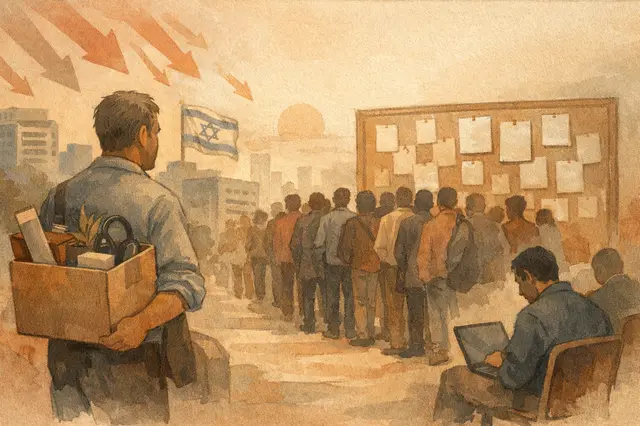
Since the start of the year, about 10,000 Israeli tech workers have been laid off, and the race for new jobs has become intense. Job seekers say they are facing hundreds, and sometimes thousands, of applicants for each opening. The main drivers, the report says, are the dollar’s decline, which has made Israeli employees more expensive for companies raising money in foreign currency, and the shift of budgets to artificial intelligence tools that can replace staff.
One laid-off developer, Daniel Hollander, said his wife is the family’s only breadwinner and that he is desperate to bring in income. “I am at a crossroads and need to bring money home,” he said. “I will go work even in a supermarket if I have to, there is no choice.” Hollander was dismissed about two months ago from Xyte.
The layoffs are not limited to young workers. Avital Weisinger said her manager asked for a meeting, then told her to cancel another appointment and come in, which is when she realized she had been fired from Wix after five years. Wix said about a month ago it would cut nearly 1,000 jobs, or 20% of its workforce, as part of a broad efficiency drive. Tzomer Schwartz, who was laid off from Prismaphotonics, argued that AI cannot replace someone who actually uses a system every day and understands the next user’s experience.
Wix founder and CEO Avishai Abrahami told employees in a memo that AI represents “the most significant change in how companies are built since the invention of modern programming languages in the 1970s.” He said companies that adopt it will not only move faster, but will build things the previous generation could not imagine. At the same time, industry efforts are trying to help the displaced workers. Navina organized a speed-dating event matching job seekers with employers, and its employer-branding chief, Daniel Cohen Klisky, said most attendees were 40 to 45 years old with more than 10 years of experience. Rebuild.il is also offering a free, fast matchmaking platform for laid-off workers and hiring companies. Its founder, Yoav Degani, said the shifts are simply a “reshuffling of the deck,” with workers moving from large firms that are cutting staff to better-funded startups.
The same event, reported separately by each outlet. Open a few to compare what different newsrooms emphasize — and what they leave out.

Not the same event — other stories that share this one’s people, places, or theme: background, reactions, and follow-ups.


