
Musk Falls Below $1 Trillion Again as SpaceX Shares Slide
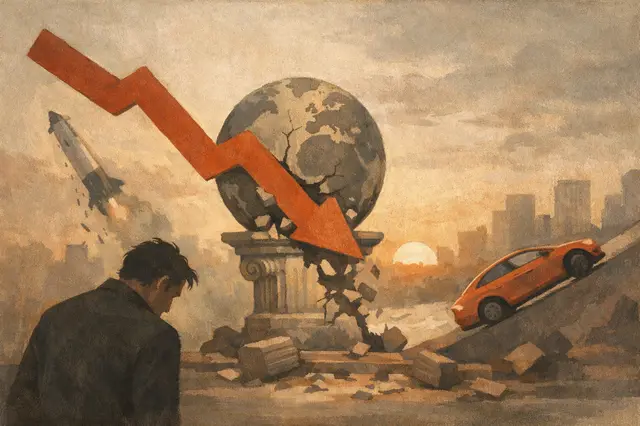
Elon Musk has lost his title as the world’s first person to top $1 trillion in personal wealth after a sharp drop in SpaceX and Tesla shares. Bloomberg’s billionaires index valued him at $957 billion on Tuesday, down from $1.11 trillion less than two weeks earlier, following a broader selloff in technology stocks and growing investor doubts about the long-term profitability of artificial intelligence, the high capital costs of building AI infrastructure, and the impact of elevated interest rates.
Musk became a trillionaire on June 12 after SpaceX’s much-discussed Nasdaq listing. The company was priced at $135 a share, opened at $150, and quickly reached a valuation above $1.77 trillion. Because Musk owns about 42% of SpaceX, his stake pushed his net worth above the trillion-dollar mark.
The enthusiasm was short-lived. By June 16, SpaceX stock had surged to a peak of $225.64, lifting Musk’s fortune to a record $1.32 trillion. Since then, the shares have lost more than 30% of their value, erasing about $350 billion from Musk’s wealth.
He remains the world’s richest person by a wide margin, but his fortune is highly exposed to market swings because it is concentrated mainly in two companies, SpaceX, which accounts for about 80% of it, and Tesla. Danny Hewson, head of research at AJ Bell, said the volatility after a major growth-company listing is not unusual, but it shows the tension between investor expectations and reality. He added that much of the SpaceX enthusiasm was driven by excitement and hopes for space breakthroughs, yet investing should rely on judgment and patience, even when the numbers are huge. Some lockups on insider sales at SpaceX are expected to expire at the end of July, which could add more pressure on the stock. Still, analysts estimate that a rise of about 6% in the share price would be enough to push Musk back above $1 trillion.
The same event, reported separately by each outlet. Open a few to compare what different newsrooms emphasize — and what they leave out.

Not the same event — other stories that share this one’s people, places, or theme: background, reactions, and follow-ups.



