Metula Rebuilds and Invites Israelis Back to Its Streets
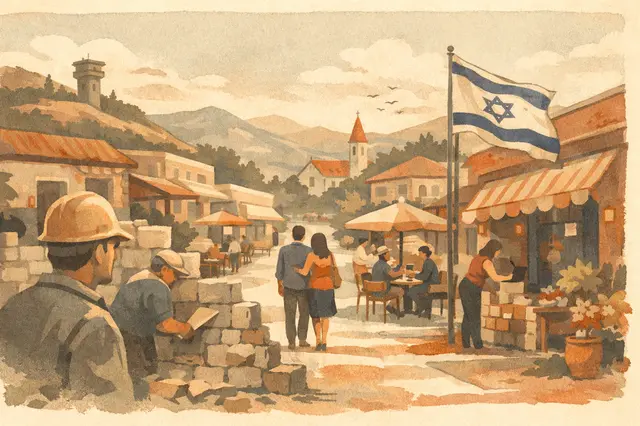
Metula, the northern border moshav, is trying to turn the page after three difficult years marked by prolonged evacuation during the Gaza war and then another round of fighting in the north. The community is celebrating 130 years since its founding, and with calm now restored to the streets and orchards, residents say the main goal is to see Israelis return to visit again.
Much of the revival centers on HaRishonim Street, where old public buildings sit alongside small cafés and boutique guesthouses. One of the businesses there is Itayoni, a bar, pizzeria and Galilean tavern owned by Daniel Dorfman, who came north 12 years ago to study at Tel Hai College, stayed, and bought the business about a year ago after investing in its renovation. He said, "The next time, it will be very hard to open again," adding that the venue has become kosher and that he hopes "all parts of the people of Israel" will come.
Near the historic spring and old mulberry tree, Lior and Ofer Fein, fifth-generation descendants of Metula’s founders, operate Goldi Cafe. The family has deep local roots, including ties to Air Force commander Moti Hod. Their cart overlooks the spring park and offers coffee, sandwiches, pastries, cakes, juices, special beers and family games. The sisters reopened after returning from evacuation in March last year, closed again during the fighting, and have since resumed full operations thanks to a donated protected shelter in the park.
Another sign of recovery is Hamburgar HaSmeta, which shut on October 7, moved temporarily to Tel Aviv and gained national attention there, and has now reopened its original branch in Metula, though only on weekends for now. Locals say the security situation has changed sharply in the past two weeks, with tourist worker Eitan Gabay describing the town as no longer a vulnerable border point but, in his words, protected by a "defensive fist" after the army’s presence in Lebanon and the pushback of Hezbollah fighters from the fence. Mayor David Azoulay is leading infrastructure repairs, including fixing shell damage and burying electrical lines, and the town has even installed its first public toilets near the municipal building on HaRishonim Street. Residents and business owners say the streets are quiet, the air is cool, and the town is ready for visitors, but what it still lacks is the public itself.