Apple warns iPhone theft victims not to take steps that weaken security

Apple has updated its support page on what to do after an iPhone is stolen, adding new guidance aimed at preventing scams and manipulation that often follow the theft itself. The company still advises the usual steps, including enabling Lost Mode, remotely erasing the device, and filing a claim through AppleCare+ with Theft and Loss coverage, but says the new focus is on protecting users from post-theft fraud.
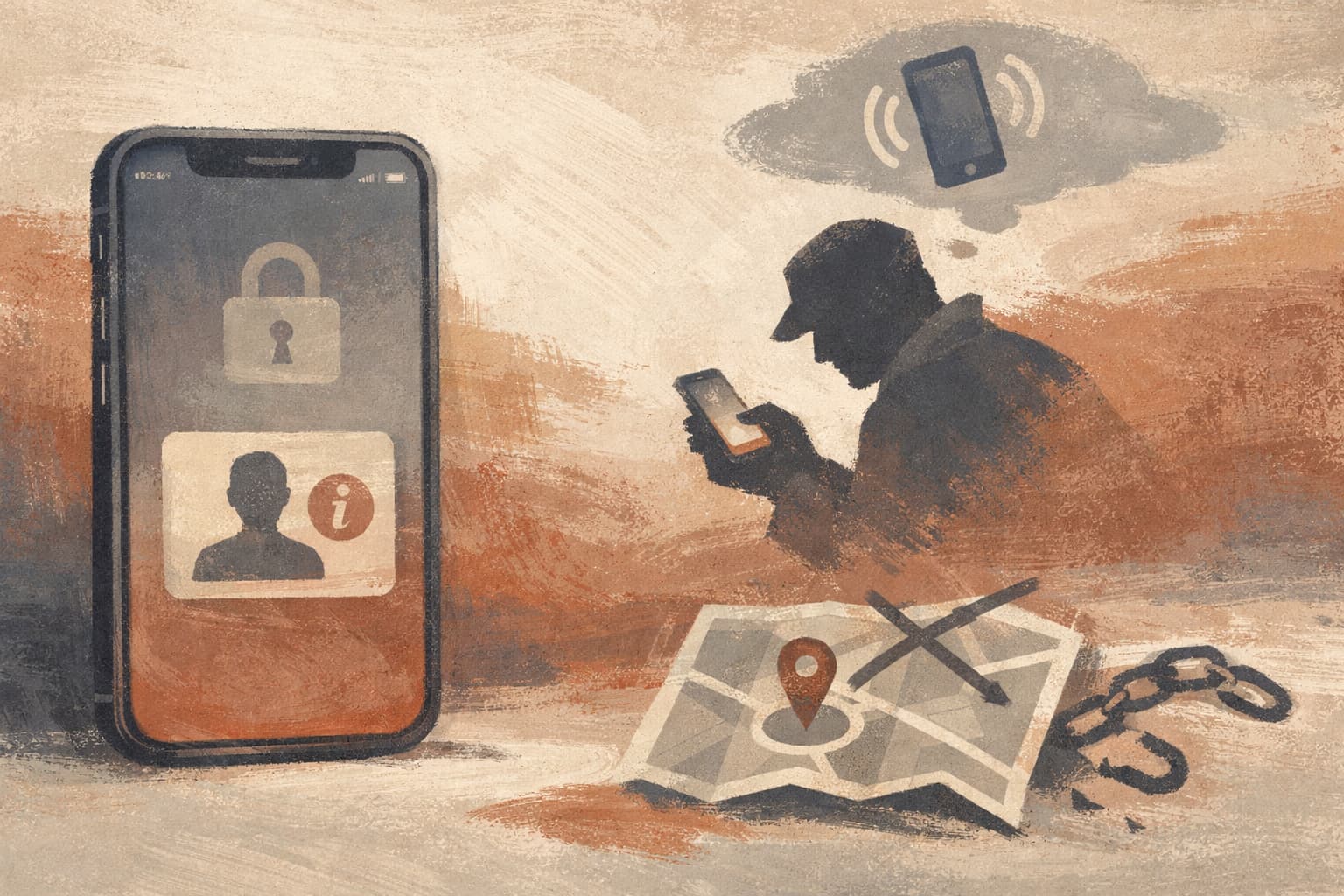
One major change concerns contact details on the lock screen. Apple previously suggested adding a phone number or message so an honest finder could return a lost phone. Now, if the device was stolen rather than simply lost, Apple says users should not enter any contact information at all. According to the company, thieves can use that information in social engineering attacks, posing as Apple or the wireless carrier to trick owners into revealing data that could help bypass protections and reactivate the phone.
Apple also urges victims not to remove the device from Find My, because doing so turns off Activation Lock. That protection prevents others from resetting and reusing the iPhone, and disabling it makes it much easier for thieves to wipe and resell the device. Apple says Stolen Device Protection adds another layer of defense, but it does not remain active indefinitely, so the company recommends marking the device as lost as soon as the theft is discovered to preserve protections for both the iPhone and the user’s Apple account.
The feature requires biometric verification for especially sensitive actions, such as accessing saved passwords or credit cards. Changing an Apple account password from an unfamiliar location also triggers a one-hour delay and requires Face ID or Touch ID. Apple says the delay gives the owner time to activate Lost Mode and blocks a thief from taking over the account, even if the passcode has been seen. The company also describes a tactic used by some thieves, who ask to photograph the owner and friends, then press the side and volume buttons to lock the phone and temporarily disable Face ID, later using the owner’s passcode entry to help steal the device and defeat some protections.
