Vienna Researchers Test Whether Dogs Can Learn Touchscreens

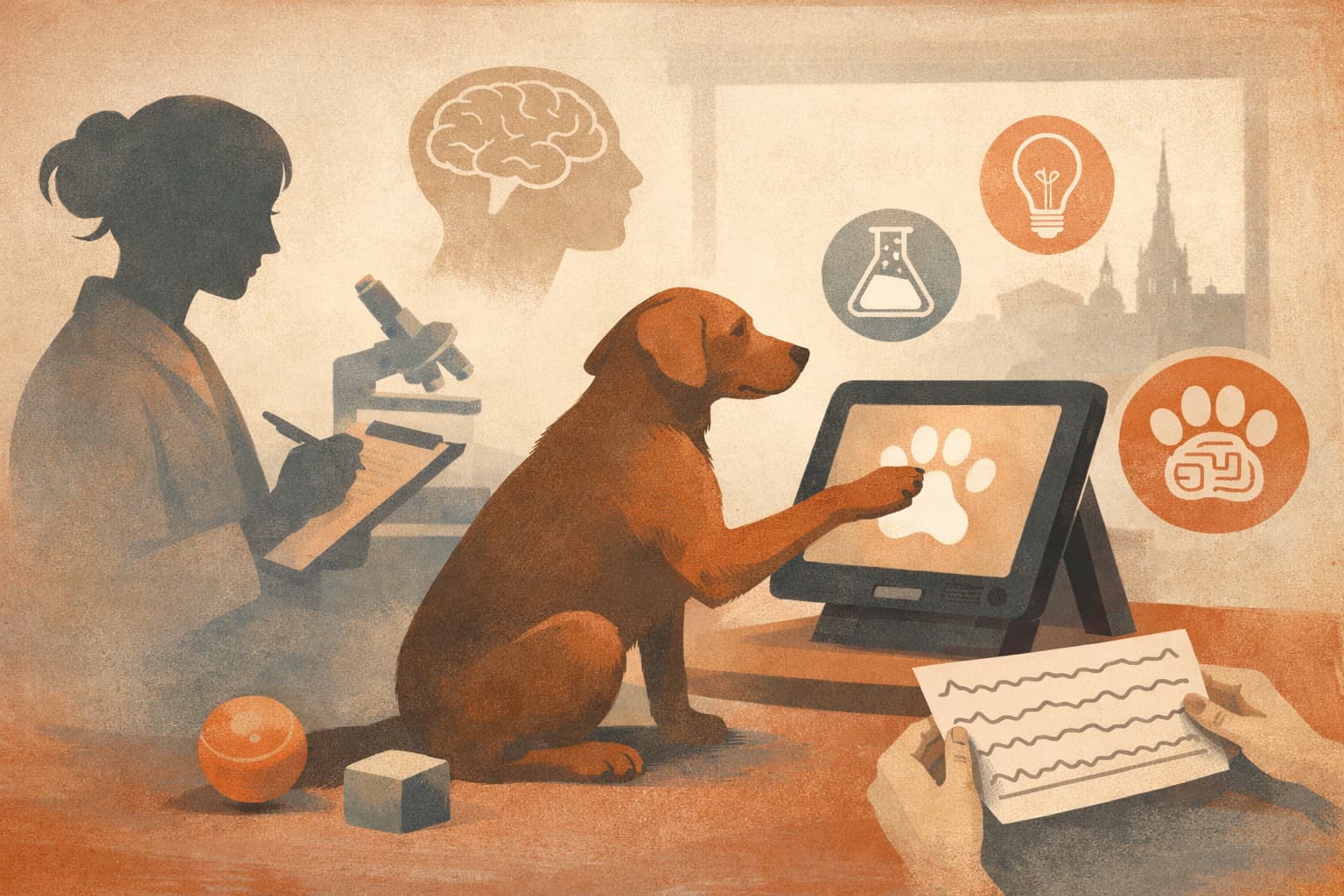
Researchers at the University of Veterinary Medicine Vienna have found that dogs can learn to use touchscreens to perform relatively complex cognitive tasks, much like humans using tablets. The new review suggests the method can reveal how intelligent dogs are, while also changing how scientists test memory, decision making and other mental abilities in what they often call humanity’s best friend.
The team, from the Konrad Lorenz Institute of Ethology, reviewed all known studies in the field and found only 14 published papers so far on using touchscreen technology to examine dog behavior and thinking. They concluded that the approach can make experiments more standardized and precise, while significantly reducing the influence of human handlers on the results.
That human influence is a major problem in animal behavior research, the scientists said, because dogs are highly sensitive to body language, facial expressions and other subtle cues. Touchscreen systems give every dog the same task, record responses automatically and reduce human bias, producing more reliable data that can be compared across dogs and across studies.
The researchers also noted the method has drawbacks. The systems are expensive and require technical expertise, and training dogs can take weeks before they learn to touch the correct part of the screen for a reward. Dogs also interact differently, some with their noses and others with their paws, so equipment and methods must be adapted to each animal.
The idea is not entirely new. Vienna researchers previously proposed touchscreen games as brain training for older dogs, arguing that regular cognitive challenges may help keep minds sharp, encourage learning and slow some mental aging. In those tests, older dogs became eager players after a short adjustment period, especially when a treat was waiting at the end.
The scientists believe broader use of digital tools, including automated systems, eye tracking, artificial intelligence and touchscreens, could transform canine research in the coming years. If institutions cooperate to build standardized and accessible tools, they say touchscreens could become a central instrument for studying canine cognition.