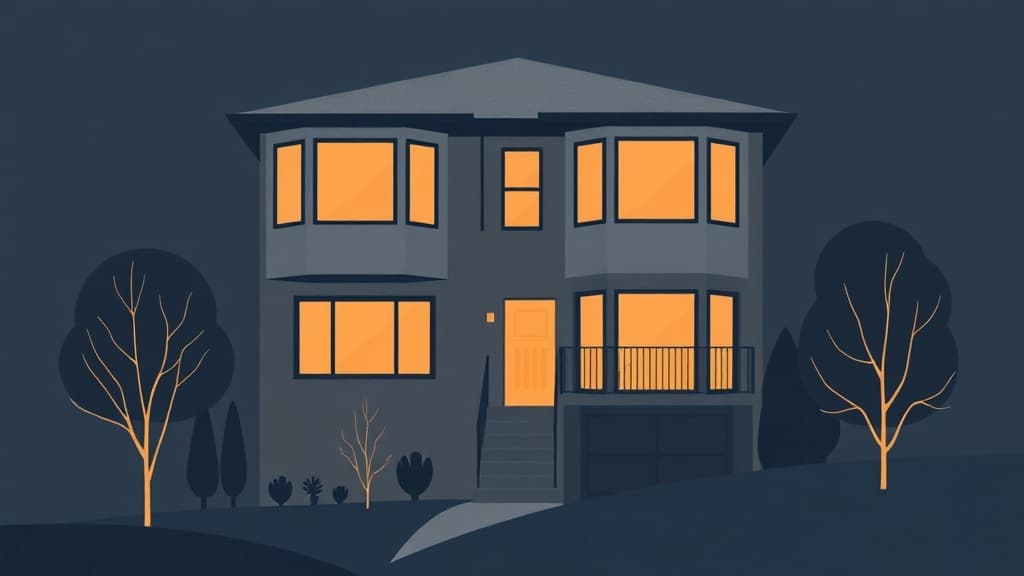
AI Frenzy Reaches Real Estate, San Francisco Home Listed for Sale for OpenAI or Anthropic Shares

A four-bedroom home for sale in San Francisco is a representative example of the AI frenzy fueling the city’s real estate market. The reason is that the sellers said in the listing that they are prepared to consider payment in shares of Anthropic or OpenAI, two of the leading AI companies of the period that are preparing to go public. The unusual payment option has drawn considerable interest, and Rachel Swan, the real estate agent handling the sale, told Business Insider that within 24 hours of the listing going live she was inundated with calls from potential buyers. "My phone is ringing nonstop," she said. "It seems to be very exciting people."
The house itself is 230 square meters and includes three bedrooms and two bathrooms. It is listed for $2.995 million, which is considered high but not excessive for the area. The house was built in 1907 but is designed in a modern style, with a large shower and a covered garage.
According to the legal website Legalclarity.org, the law allows buyers to transfer shares instead of cash as payment for a property, but such transactions are rare. However, in this case, it involves two companies that are still private, although they are planning near-term IPOs that are generating excitement among investors. Reuters reported that OpenAI’s IPO, valued at $852 billion, could get underway soon, with Sam Altman’s startup aiming to raise between $60 billion and $1 trillion. At the same time, Anthropic’s IPO is expected at the beginning of next year, and Forbes estimated that it could take place at a valuation of $965 billion.
Swan said the sellers decided to offer the option of paying in company shares after, at an open house they organized, they encountered several employees and investors from those companies who said they could not find available homes in San Francisco. "It’s a perfect storm," she concluded. "You wouldn’t believe how many people tell me they have a liquidity problem because they can’t cash out their shares, but they still want to buy."


