
Cape Verde’s World Cup fairytale, built on LinkedIn scouting and a 40-year-old star keeper
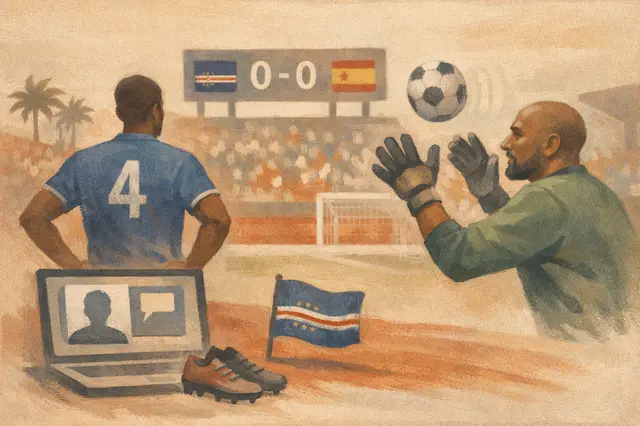
On the fifth day of the 2026 World Cup, Cape Verde produced one of the tournament’s biggest shocks, holding Spain to a 0-0 draw. The result is being framed as part of one of football’s strangest success stories, from a country of about half a million people that once had to search for players on LinkedIn.
The story began in 2019, when coach Rui Águas, in his second spell leading Cape Verde, was short of players and sent a LinkedIn message to defender Roberto Lopes, who was born and plays in Dublin but has Cape Verdean roots. Águas wrote in Portuguese, which Lopes did not understand, and the message sat unanswered for nine months. Lopes later used Google Translate, realized the coach was serious, and accepted the invitation to join the national team. After only one appearance in Cape Verde’s youth setup for Ireland, he gradually became a central defender and, since 2021, a key starter.
Lopes’ path is only one part of the tale. In 2017 he was still working as a bank clerk in Dublin and playing only occasionally in lower leagues before joining Bohemians, a top-flight Irish club. Against Spain, he anchored the back line and kept the world champions from scoring.
The other hero was goalkeeper Vozinha, 40, who made history as the oldest player ever to debut in a tournament and keep a clean sheet. Despite 89 caps for Cape Verde, he had never played at the highest level of world football. He began at Batuque in Cape Verde and later played in Angola, Moldova, Cyprus, Slovakia, Portugal, and now Chaves. His childhood nickname, “Grandpa,” came from running to his grandfather for protection when bigger boys bullied him. During the broadcast, commentators urged viewers to follow his Instagram account, and his following surged from a small number to more than 5 million, with over 1 million notifications waiting on his phone after the match.
Cape Verde’s path forward remains open. Uruguay and Saudi Arabia, the other teams in the group, drew 1-1 overnight, leaving all four sides on one point and the group wide open. Spain remain favorites to advance and finish first, but because eight of the 12 third-place teams also go through, Cape Verde’s chances of reaching the knockout stage are still alive.
The same event, reported separately by each outlet. Open a few to compare what different newsrooms emphasize — and what they leave out.





Not the same event — other stories that share this one’s people, places, or theme: background, reactions, and follow-ups.